

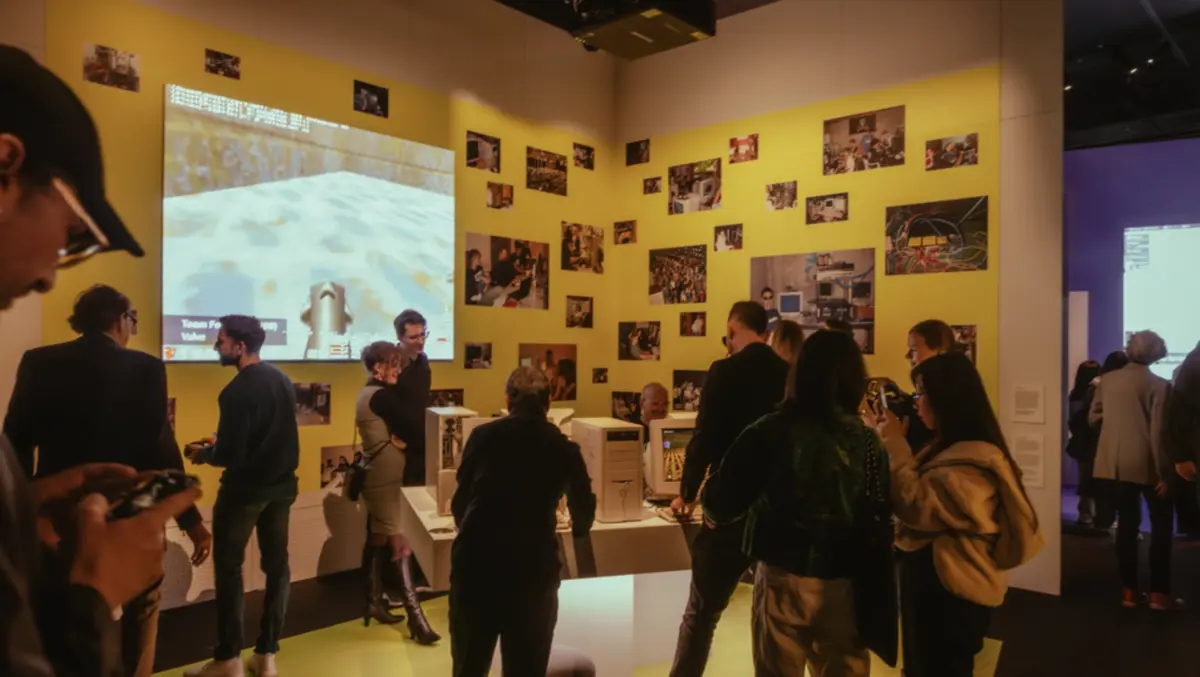

Te Papa will open Game Worlds: Whakaaturanga Pureiapo | Playable Exhibition in Wellington. Developed by ACMI, Australia's museum of screen culture, the show explores videogames from the 1970s to the present.
It includes more than 30 titles visitors can play. Te Papa said the broader display features 44 playable experiences, along with original builds, design sketches and prototypes linked to game development.
Featured games include The Hobbit, SimCity, The Sims, Minecraft, Stardew Valley, World of Warcraft, Final Fantasy XIV Online, The Elder Scrolls Online, Neopets and Hollow Knight: Silksong. The exhibition also includes an exclusive demo of Guardian Maia by Māori-led studio Metia Interactive, described as the only Aotearoa-developed game in the line-up.
The Wellington presentation reflects growing museum interest in interactive media as a form of cultural history. Rather than treating games solely as consumer products, the exhibition presents them as part of more than five decades of design, social and technological change.
Briar Barry, Head of Exhibitions and Experience at Te Papa, said the museum wanted visitors to engage directly with the material on show.
"Game Worlds is enormous fun. It transforms visitors from spectators into players. You don't just walk through this exhibition; you play your way through it. Videogames aren't just for kids, they're part of how millions of people create, connect, compete and tell stories, and this exhibition celebrates that," Barry said.
Barry also pointed to the inclusion of a local title within the wider international selection.
"Alongside some of the world's most influential videogames, visitors can experience stories closer to home with an exclusive demo of Guardian Maia by Māori-led studio Metia Interactive. The highly anticipated title reimagines Aotearoa through the eyes of Maia, a forest guardian."
The exhibition arrives as games continue to draw attention from cultural institutions seeking to document digital life in the same way they have long collected film, television, photography and design. Curators have increasingly focused on playable formats, development artefacts and community histories to show how games are made and how audiences use them.
Curatorial focus
ACMI co-curators Bethan Johnson and Jini Maxwell said the show examines game design alongside broader questions of social connection and participation. Organisers describe it as a survey of half a century of videogame history and innovation.
"Covering half a century of videogame design, technological innovation and social history, it presents a new angle on the world's most popular entertainment medium," Johnson said. "By presenting the act of play as a form of creative expression, and game development as an inherently playful act, we are proud to celebrate the genius of designers and players alike; worldbuilding is always a multiplayer game."
That emphasis on process is reflected in material beyond the playable stations. Original builds and development sketches show how games move from concept to finished release, while prototypes offer a view of experimentation not often available in public exhibitions.
Local inclusion
Guardian Maia gives the exhibition a New Zealand link within a programme otherwise led by internationally known franchises and long-running online worlds. Its inclusion may also broaden interest among visitors looking for examples of Māori-led game development in a major museum setting.
Te Papa is positioning the exhibition as a hands-on experience rather than a conventional gallery display. Barry said that broad appeal was central to the museum's approach.
"Whether you're a lifelong player, a curious newcomer, or going head-to-head with a friend who's determined to beat your high score, Game Worlds is joyful, immersive, and the kind of experience talked about long after."
The playable range spans city-building, life simulation, farming games, online role-playing titles and early literary adaptation, giving curators scope to trace shifts in both technology and player culture. By mixing landmark titles with behind-the-scenes development material, the exhibition places commercial hits and creative practice side by side.
Barry's final invitation underlined the museum's attempt to reach audiences across generations.
"Bring the kids. Bring the parents. Bring the grandparents. Bring anyone who's ever picked up a controller, or anyone who never has."