GitLab stories
Governance gaps are slowing enterprise AI adoption, with 79% of Australian DevSecOps professionals saying compliance is getting harder.
Banks risk repeating DevOps sprawl as DIY agentic AI pushes build costs above USD $1.4 million and delays production by up to 18 months.
Growing use by major tech groups is helping open source secrets manager OpenBao win trust as cloud and AI credential risks mount.
Regulated teams can now keep AI processing inside GitLab Dedicated, with new secret handling, spending caps and security fixes added in 19.3.
The accreditation strengthens Adfinis's hand with customers seeking secure open source tools for hybrid cloud systems and digital sovereignty.
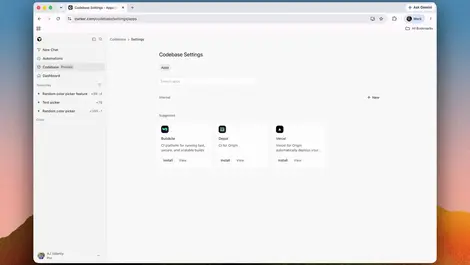
Paid Cursor subscribers can now host repositories and manage pull requests in one place, as Origin enters early beta against GitHub and GitLab.
Customer projects in the DACH region will continue unchanged as Adfinis folds its German unit into a tighter global structure under Felix Kronlage-Dammers.
AI workloads are intensifying pressure on enterprise Java systems, making Azul's product hire central to its push on security, performance and cost control.
That overhaul has slashed campaign rollout times from months to days, while also boosting production efficiency and content output across agencies.
Critical vulnerability backlogs have swelled 29-fold, prompting a tool that sends fix plans into engineering systems and AI coding tools.
The update aims to cut review bottlenecks by auto-fixing vulnerable dependencies and surfacing code flaws scanners often miss.
Adoption of AI is exposing firms to weaker controls, hidden tools and traceability gaps as executives urge tighter governance.
Without stronger operational foundations, Asia Pacific firms risk turning new security tools into costly bottlenecks instead of productivity gains.
Mounting scrutiny over AI budgets is pushing software teams to prove whether the tools speed delivery enough to justify their cost.
Enterprises can now patch older open source software without disruptive upgrades, as IBM and Red Hat target stubborn vulnerability backlogs.
Software vendors now face a new buying channel as AI agents increasingly discover, evaluate and use products without human intervention.
Software teams using AI coding agents face faster pull request volumes, as Harness pairs a new repository with risk-based review tools.
Eligible US universities and non-profits can now use Lightwell to patch open source flaws without overhauling systems or sharing data.
Smaller firms can now run web app pentests in hours, as Intruder's AI service cuts costs to a fraction of manual reviews.
Security teams could cut testing delays to hours as Intruder's AI tool scans web apps for flaws from source code access.