Health and Safety stories
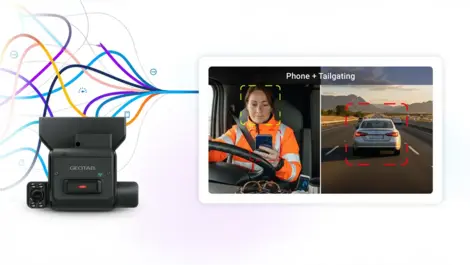
The company has made an APAC distribution agreement with Everywhere Communications for communications, location, and monitoring solutions.
Procore has launched Safety Essentials for construction companies in Australia and New Zealand, providing compliance support and pre-built forms.
As use of AR and VR in industry grows, AVR Lab is providing products to ensure that devices are kept sanitary between each use.
Australian companies can cut occupational health and safety risks with push-to-talk over cellular services, blending mobile tech with two-way radio perks.
Only essential building work may continue, with contractors required to follow strict COVID-19 controls or defer jobs until restrictions ease.
Projects that kept ferries running, roads safer and power supply secure were among the winners at Civil Contractors New Zealand’s awards in Wellington.
Warnings that Australia’s builders are at breaking point have prompted calls for urgent reform to deliver the USD $110 billion pipeline.
Downtime and lost revenue can still hit automated warehouses without on-site teams to fix faults fast and plan preventative maintenance.
Contractors may need tighter privacy policies as new rules on sign-in sheets, breaches and offshore data transfers raise compliance risks.
COVID-19 has pushed non-occupational disease to the top of the list, as businesses face rising cyber, health and climate risks.
Owners of unsafe buildings can face deadlines of 7.5 or 15 years to strengthen or demolish them, with council support available.
Health and sanitation in many communities could be put at risk as sea-level rise and heavier rain strain wastewater systems.
Drone surveying and machine control kept workers off a 70% slope, helping the port slip-remediation finish safely and almost exactly to design.
Poorly written tenders can push up whole-of-life costs, as councils later face rework, weaker skills and more project delays.
Bidders are under pressure to show local benefits, safety gains and clear evidence of capability as major projects become ever more competitive.
Short-term pain from Covid-19 and delayed projects is being offset by record infrastructure spending, with many contractors still hiring.
Lockdowns have exposed costly staffing risks in water and wastewater plants, strengthening the case for remote monitoring and automation.
Contractors must now issue travel letters and display QR posters as COVID-19 rules tighten across Alert Levels 2 and 3.
Construction and quarry workers face a higher mesothelioma risk as scientists warn disturbed volcanic rock may release erionite fibres into the air.
Physical distancing has been eased on building sites, but workers must still sign in, wash hands and stay home if unwell.