Industrial Automation stories
The first cross-border final underscored fierce competition for skilled electricians, with 15 apprentices vying for honours at Eden Park.
Shipments are projected to rise to 6.6 million units by 2030 as factories and utilities upgrade older wireless kit and add backup links.
Engineering teams will spend less time hunting robot clips after the Italy-based startup secured €7.5 million to build its open-source data layer.
The larger vehicle will back riskier early-stage startups in energy, AI infrastructure and defence as Europe tries to close its funding gap.
The Boston gathering is set to draw 15,000 attendees as industrial users weigh AI, robotics and cybersecurity in plant modernisation.
Industrial users are adopting AI only in tightly bounded roles, as safety, power and integration constraints keep deployments under close human control.
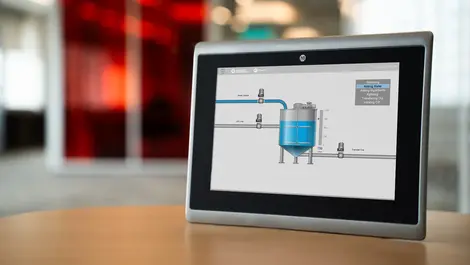
It could cut downtime and revalidation costs for factories upgrading ageing HMI systems by letting them reuse existing FactoryTalk View ME applications.
Governments face pressure to free up airwaves after GSMA said poor spectrum planning could put USD $520 billion of 6G gains at risk.
The forum will gather industrial leaders in Rio as pressure mounts to turn AI pilots into measurable gains across energy, mining and manufacturing.
Partners in five launch markets will gain access to KUKA's autonomous mobile robots as TD SYNNEX pushes into industrial automation.
Industrial operators could soon detect faults and cyber risks faster as Schneider Electric, NVIDIA and HPE move AI closer to plant data.
Yet manufacturers are using only about 45% of the data they collect, slowing efforts to turn AI pilot projects into wider operational gains.
The new meter is aimed at plants needing faster gas monitoring, with colour touchscreen controls and digital links for industrial systems.
The test, made by One NZ's Chief Technology Officer and Chief Executive Officer, moves the operator closer to launching services for businesses and consumers.
The award highlights growing demand for private 5G systems that can keep warehouses and factories connected as robots and sensors move across sites.
Although nearly 90% of food and beverage manufacturers are using or planning AI, only about 45% of collected data is used effectively.
The release gives enterprises a high-level robot control layer that can verify tasks, plan longer workflows and share workspace understanding across machines.
The startup says its simulation tool could cut costly robot training and reduce the risk of damaging machines before deployment in factories and warehouses.
The move could help robotics firms test and scale machines in real warehouses, while easing customs, storage and delivery bottlenecks overseas.
Indoor coverage and user experience are set to depend more on Wi-Fi as the alliance pushes for it to be built into 6G standards from the outset.