Linux stories
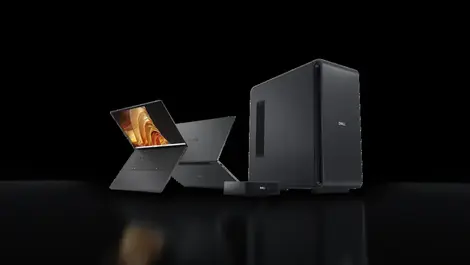
Local AI development is moving onto Windows desktops and laptops, with Dell claiming support for 1 trillion-parameter models on the new workstation.
The patch closes a gap that could let unpatched Java runtimes trust forged certificates on servers, containers and software pipelines.
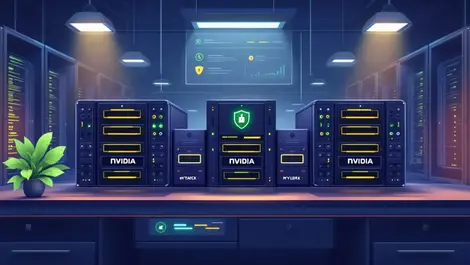
Enterprises will be able to keep AI agents and proprietary data inside their own infrastructure under the new SUSE-NVIDIA sovereign AI stack.
The move could keep AI work on-device, as Microsoft adds security controls for agents while Nvidia brings its chips to Windows PCs.
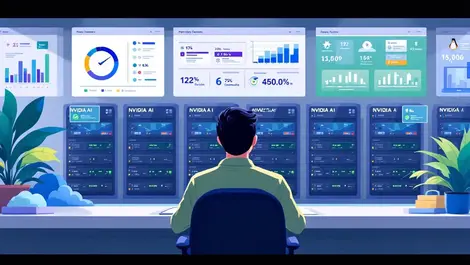
Adoption has climbed to more than 6,500 customers as businesses shift from AI pilots to on-premise production and weigh rising costs.
IT teams gain patching and compliance controls for NVIDIA's local AI systems as Tanium extends its endpoint platform beyond standard PCs.
More than 6,500 enterprises are now using the platform as Dell adds software, deskside systems and servers to help move AI from pilot to production.
Customers can now buy and run more Red Hat software on Oracle Cloud Infrastructure through Oracle Marketplace and Universal Credits.
Factory monitoring systems gain a calibrated sensor as Resoniks prices the MPK801 at €1,170 and ships it across Europe.
Creators and enterprises can run larger AI models locally as Dell's new Windows PCs and workstations bring NVIDIA's chips into office environments.
Tighter EU reporting duties are pushing open source vendors to harden supply chains, prompting four firms to join OpenSSF.
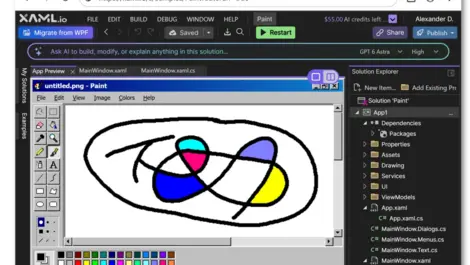
Developers can now generate .NET apps from text prompts in the browser, with XAML.io v0.9 also supporting migration of existing WPF projects.
The update lets Windows users run bigger AI models on-device, as AMD bids to make local processing a rival to cloud-based services.
With attackers exploiting flaws within hours, the firm will test whether AI can help IT teams patch faster across mixed device fleets.
Enterprises using local AI hardware will gain unified oversight of inventory, patching and compliance as Tanium plugs a longstanding management gap.
Smaller firms can now back up servers and Google Workspace, as CrashPlan widens its offering for businesses with fewer than 250 users.
Parliament's Bill C-22 debate could shape whether Canadian digital services remain trusted by businesses, hospitals and users alike.
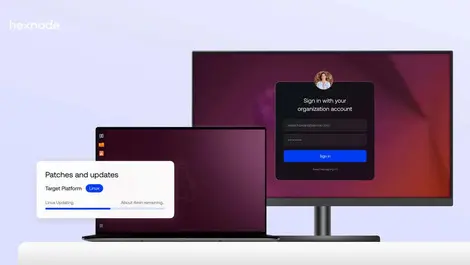
British IT teams get tighter control over Linux updates and logins as Hexnode brings Ubuntu, Debian and Fedora into its management suite.
The trial could cut the labour and security risks of bringing hundreds of connected devices online, with automatic setup from first power-on.
Security teams can now trace AI assistants and browser agents across managed Chromium browsers as Manifold extends governance beyond the endpoint.