

Hands-on review: OPPO Watch S smartwatch
Mon, 16th Mar 2026
The OPPO Watch S takes a traditional approach to smartwatch design. It uses a circular face and a slim stainless-steel frame that makes it look closer to a classic wristwatch than many competitors. At roughly 8.9mm thick, it sits low on the wrist and feels noticeably lighter than many full-featured smartwatches.
Weight is about 35g without the strap. That keeps it comfortable for long periods of wear. The watch feels unobtrusive during daily use and during sleep tracking. The case uses stainless steel, while the rear housing is polymer to accommodate the sensors.
Two physical controls sit on the right side of the case. A rotating crown handles scrolling through menus and lists. A secondary button provides quick access to workouts or shortcuts depending on the settings.
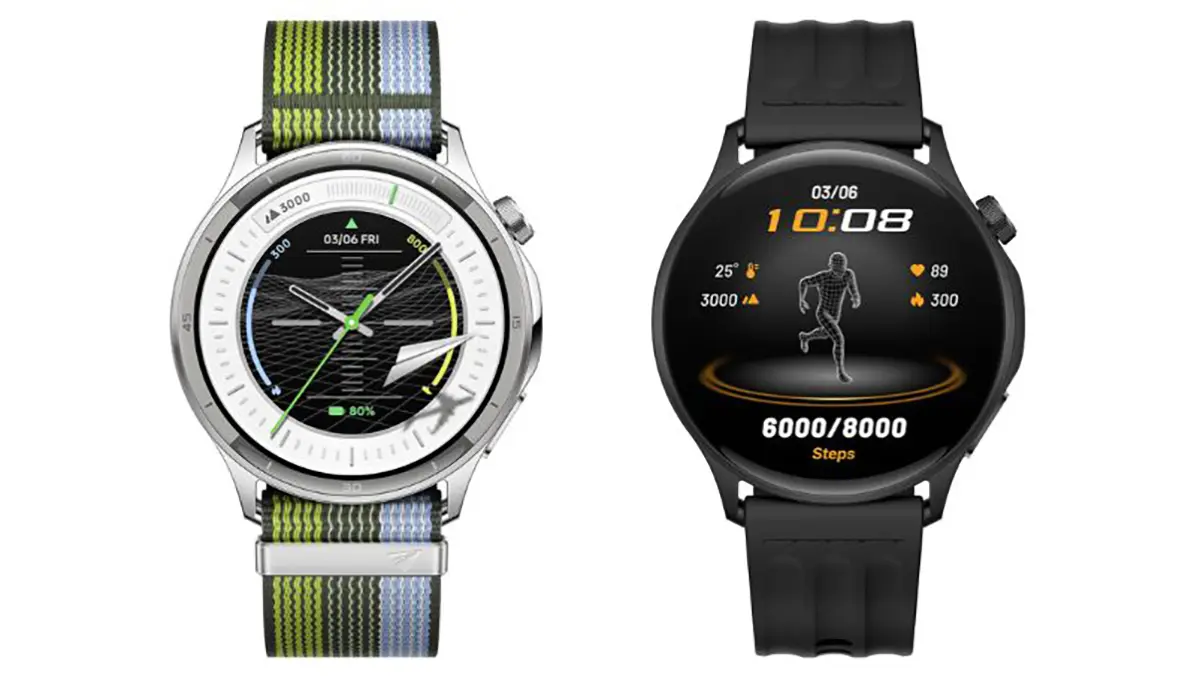
Strap options vary by model. The Phantom Black version uses a fluororubber band suited for workouts. The Silver Gleam version uses a woven strap that leans more towards casual wear. Both use a standard quick-release design, which makes swapping straps simple.
The Watch S supports wrists from roughly 140mm to 210mm in circumference. It fits most wrists comfortably, though the round case may still appear large on smaller wrists.
Display
The watch uses a 1.46-inch AMOLED display with a resolution of 464 x 464 pixels. Pixel density sits around 317ppi, which keeps text and icons sharp. The circular display works well with the interface, which relies on simple menus and swipe gestures.
Brightness is one of the watch's strongest features. The panel reaches up to 600 nits in typical use and can push higher when outdoors. Under direct sunlight, the screen remains readable without needing to shade it.
Always-on display is supported. That mode reduces battery life but keeps the time visible at a glance. Users can customise watch faces through the companion app, with a mix of analogue and digital styles available.
Colour reproduction looks vivid and contrast is strong, as expected from an AMOLED panel. Animations are smooth and menu transitions feel responsive.
Interface
The Watch S runs ColourOS Watch, OPPO's proprietary smartwatch platform. The interface is simple and largely focused on built-in features rather than third-party apps.
Navigation relies on a combination of swipes and the rotating crown. Swiping left or right cycles through widgets such as heart rate, activity rings and weather. Swiping down opens quick settings. Swiping up reveals notifications.
The design is straightforward and easy to learn. Menus are arranged logically and most functions are accessible within a few taps.
The watch connects through the OHealth mobile app. The app handles pairing, data syncing and customisation. It also stores health and workout history.
Compatibility extends to Android 9.0 or later and iOS 14 or later. Features are slightly more limited when paired with an iPhone, but basic functions such as notifications and health tracking still work.
Health tracking
Health monitoring is a core focus for the Watch S. The device includes an eight-channel heart rate sensor and a 16-channel blood oxygen sensor. It also measures wrist temperature and tracks stress levels.
A notable feature is the 60-second wellness overview. This function quickly collects several health readings in one scan. It checks heart rate, blood oxygen, stress and temperature within a minute.
Sleep tracking is comprehensive. The watch records light, deep and REM sleep stages. It also measures respiratory rate and overnight blood oxygen levels. The app presents a sleep score and suggestions for improvement.
Some models support ECG readings. Availability varies depending on local regulatory approval, so this feature may not be active in every region.
As with most consumer wearables, the health metrics are intended for general reference rather than medical diagnosis.
Fitness tools
The Watch S supports more than 100 workout modes. These include common activities such as running, cycling, swimming and walking.
Running receives the most attention. The watch provides detailed training metrics including aerobic training effect, recovery time and heart-rate recovery. Runners can also view estimated lactate threshold and training load.
Dual-band GPS support improves tracking accuracy. The watch supports several satellite systems including GPS, Galileo and GLONASS. Location lock tends to be quick and route tracking remains consistent even in built-up areas.
Sports such as tennis and badminton also receive specialised tracking. The watch can analyse swing speed and shot distribution when worn on the racket hand.
Water resistance is rated at 5ATM and IP68. This allows use in swimming pools and during rain. The watch is not intended for diving or prolonged exposure to seawater.
Smart features
Smartwatch functionality is present but relatively basic. The Watch S mirrors notifications from the connected phone and allows users to answer calls via Bluetooth.
A microphone and speaker are built into the watch. That enables short calls directly from the wrist when the phone is nearby.
The platform does not provide a large third-party app ecosystem. Unlike Wear OS watches, users cannot install a wide range of additional apps. Most functions rely on the built-in tools provided by the system.
NFC is included but its capabilities depend on the region. In many markets it is used mainly for access cards rather than contactless payments.
One unusual feature is dual-phone pairing. The watch can connect to two phones at the same time. This could be useful for users who carry both a personal and work device.
Battery life
Battery life is one of the Watch S's main advantages. The watch uses a 339mAh battery and can last up to seven days in typical use.
Heavy use reduces that figure. Enabling always-on display or frequent GPS workouts will shorten battery life. With those features active, the watch generally lasts around four days.
A dedicated long battery mode can extend runtime to roughly ten days. That mode reduces background functions and limits certain features.
Charging uses a magnetic charging puck rather than standard wireless charging. A full recharge takes under 90 minutes. Short top-ups can provide several hours of additional use.
Verdict
The OPPO Watch S focuses on design, fitness tracking and battery life rather than software complexity. Its slim body and stainless-steel build give it the appearance of a conventional watch. The bright AMOLED display and long battery life also stand out.
Fitness tracking is detailed, especially for runners. Dual-band GPS and a broad range of sport modes make it suitable for regular exercise.
For users who want a simple smartwatch with strong health tracking and week-long battery life, the Watch S offers a balanced option. Those looking for a broader range of apps and smart features may prefer alternatives built on more open platforms.