

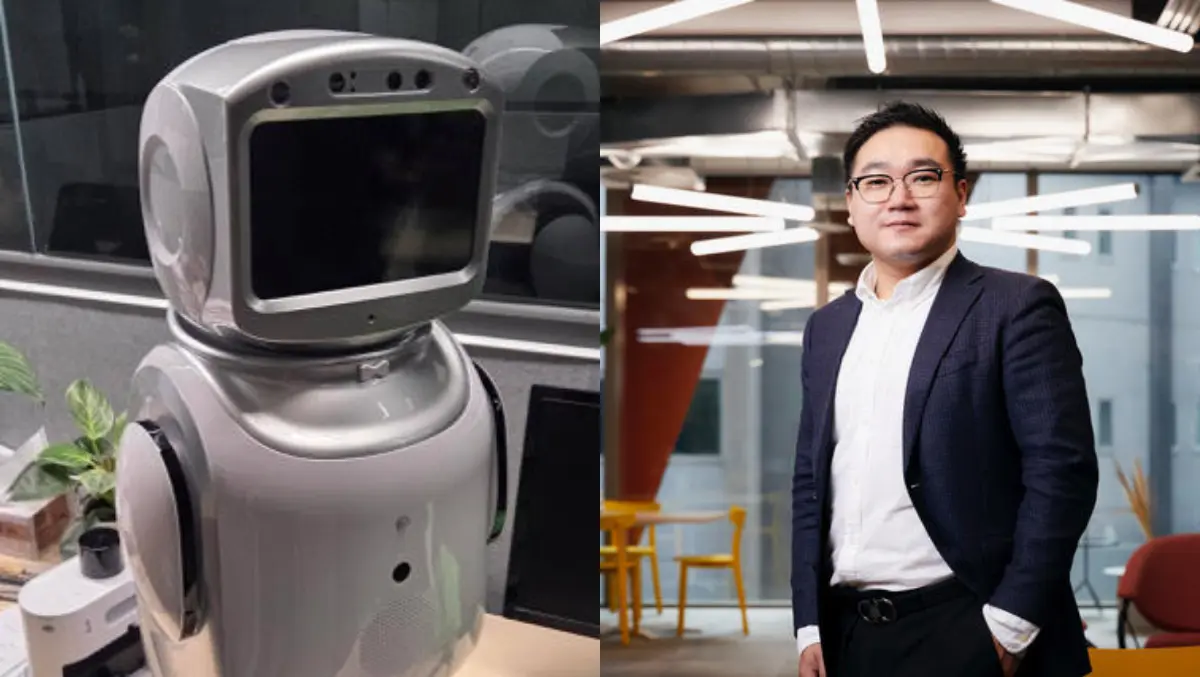
Home care robots track emotions to predict elderly risks
Tue, 17th Feb 2026
AIBUILD has unveiled an emotion-aware companion robot for home aged care, pitched as a way to detect early indicators linked to falls, isolation, and cognitive or physical decline in older people living at home.
The Melbourne-based developer describes the robots as mobile, autonomous units that operate in the home and build a baseline of what is normal for each person. The goal is to identify changes in behaviour and routine earlier than existing consumer monitoring tools.
Home monitoring in aged care often centres on alert buttons, wearables, and basic motion sensors. These tools typically rely on an incident, such as a fall, to trigger action. AIBUILD is positioning its approach as predictive rather than reactive, using ongoing observation and interaction to flag emerging risks.
How it works
The robots combine camera-based perception and sensor fusion to interpret movement, posture, and daily routines. AIBUILD says the system does not require a wearable device or changes to users' behaviour.
Conversational AI is the second major component. AIBUILD says the robots track engagement, speech patterns, and an emotional baseline over time, looking for subtle shifts that could signal increased risk, including changes family members may miss with only occasional contact.
AIBUILD says early trials found the robots could detect small behavioural changes "humans miss" without alarms or wearables. It did not provide trial size, methodology, performance metrics, clinical endpoints, or independent validation.
Care ecosystem
The system is designed to sit alongside family and professional care arrangements rather than operate as a standalone alert device. Family members receive wellbeing updates through a dedicated app, while care providers use an administrative platform that presents structured insights and trend analysis.
The design reflects the realities of home care delivery, where responsibility is often shared across informal carers, community nursing, and aged care providers. It also addresses the challenge of turning raw activity data into information that prompts changes in care.
In a statement, Yifei Wang, Co-Founder and Director of AIBUILD, argued the market has over-relied on tools that detect incidents after they occur. "Ageing at home is widely accepted as the ideal outcome for older adults, families and healthcare systems. Yet the technologies relied on today are largely reactive; motion sensors that trigger after a fall, wearables that count steps without understanding why activity is declining, and check-in calls that depend on someone admitting they are not coping," Wang said.
Wang also framed the product as a way to convert in-home signals into information carers can act on. "Now, what happens in the home no longer stays as isolated data, it becomes actionable insight that supports earlier, preemptive and more coordinated care," he said.
Mental health focus
AIBUILD says qualified psychotherapists provided input during development. It says the emotional monitoring is not intended to diagnose conditions, but to recognise potential signals that warrant attention, including withdrawal, anxiety, or mood changes.
JoJo Lao, Co-Founder of AIBUILD, said the focus reflects how risks often develop over time rather than appearing suddenly. "Many of the incidents treated as 'sudden' in aged care are anything but. Changes in gait stability, posture and daily movement often precede falls by weeks or months. Changes in conversation, speech patterns and emotional tone can indicate loneliness, anxiety or cognitive decline long before they are visible to others," Lao said.
Lao said the challenge is making those signals visible in a way that remains acceptable in private homes. "The problem has never been whether these signals exist, but how to see them, respectfully, in everyday life," she said.
AIBUILD says privacy, trust, and reliability shaped the design, arguing the home is a deeply personal environment and the technology should feel supportive rather than surveillant. The release did not specify whether video is stored, how long data is retained, or what controls households have over data collection and sharing.
Beyond privacy, autonomous monitoring technology in aged care raises questions about accountability and clinical governance. AIBUILD says the system preserves "clinical responsibility" by surfacing possible signals rather than making clinical calls.
Wang described the robots as complementary to human care, aimed at filling gaps between scheduled visits and family contact. "What's important is that this isn't about replacing human care, but rather, strengthening care altogether, filling the gaps that could cause accidents and giving people context, not just data, while helping older adults remain independent in their own homes," he said.