

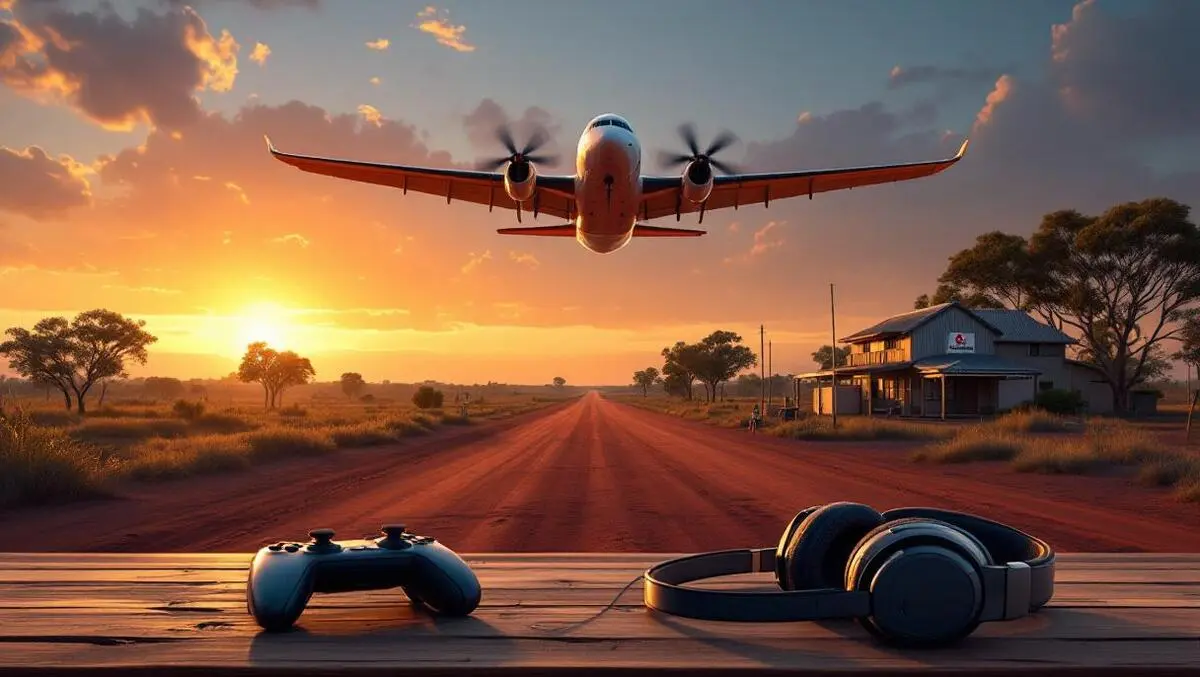
The Royal Flying Doctor Service is expanding its Change the Game charity streaming initiative for a second year, aiming to increase participation among gaming and livestreaming communities across Australia.
The programme invites streamers, gamers and content creators to host charity broadcasts that raise funds for aeromedical and mental health services delivered to rural and remote regions in Queensland.
The campaign focuses on turning livestream audiences into fundraising communities. Participants are encouraged to run events on platforms such as Twitch, using formats ranging from speedruns to casual streams with donation incentives.
The model draws on established patterns in online creator culture, where audiences engage through live chat, community challenges and milestone-based fundraising goals. Change the Game adapts these formats to healthcare fundraising in regional Australia.
The campaign period runs from 21 February to 21 March. During this window, participants are encouraged to schedule streams that mobilise their online communities around specific fundraising targets and shared viewing experiences.
Mental health need
The fundraising effort is linked to persistent gaps in mental health access outside major Australian cities. About one in five rural and remote residents, or 960,000 people, experience mental health challenges each year.
While prevalence rates are similar in metropolitan areas, service availability and accessibility differ substantially across regions. Distance, workforce shortages and service capacity remain key barriers in remote communities.
Higher risk groups include farmers, young men, older residents, and Aboriginal and Torres Strait Islander populations. These groups face elevated rates of suicide and self-harm compared with national averages.
Queensland's remote geography compounds these challenges. Communities such as Lockhart River in Cape York and Camooweal near the Northern Territory border face long travel times to reach in-person services. Aeromedical delivery remains a core mechanism for reaching patients in these locations.
RFDS provides mental health consultations, crisis support and outreach programmes across these regions. The organisation reports more than 12,100 mental health consultations annually in Queensland, representing the largest mental health service footprint among RFDS sections nationally.
Funds raised through Change the Game are directed to sustaining and expanding these services. This includes clinical consultations, community mental health visits and support programmes delivered in remote settlements and regional towns.
Campaign approach
The campaign runs nationally and invites creators of varying sizes and audiences to participate. Organisers position the initiative as flexible, allowing streamers to design their own content formats and engagement strategies.
Unlike structured charity events, Change the Game allows participants to choose games, schedules and incentives that suit their communities. This includes marathon streams, cooperative gameplay sessions and themed broadcasts tied to fundraising milestones.
Participants receive fundraising resources, including a dedicated toolkit and community support channels. The programme also provides guidance on donation incentives, event planning and audience engagement during streams.
The initiative also connects streamers through a shared community channel, enabling collaboration and cross-promotion between creators. This approach reflects broader trends in creator-led fundraising, where peer amplification expands reach beyond individual audiences.
"Change the Game shows how powerful gaming communities can be when they come together for good," said Denby Mackenzie, Change the Game Coordinator, Royal Flying Doctor Service.
The initiative aims to convert digital participation into tangible support for healthcare delivery in remote Queensland, where aeromedical and primary care services remain critical to regional health access.