

Amiiba unveils design-led PC hardware range debut launch
Wed, 3rd Jun 2026
Amiiba has launched a new PC hardware range spanning cases, liquid coolers and power supplies, marking its debut as a design-led PC hardware brand.
The initial line-up includes the Ferra micro-ATX case, the Proteus and Leucus all-in-one liquid coolers, and the Vitalis power supply series. Amiiba is positioning the range around materials, airflow-focused construction and interchangeable design elements, rather than the visual style commonly associated with gaming hardware.
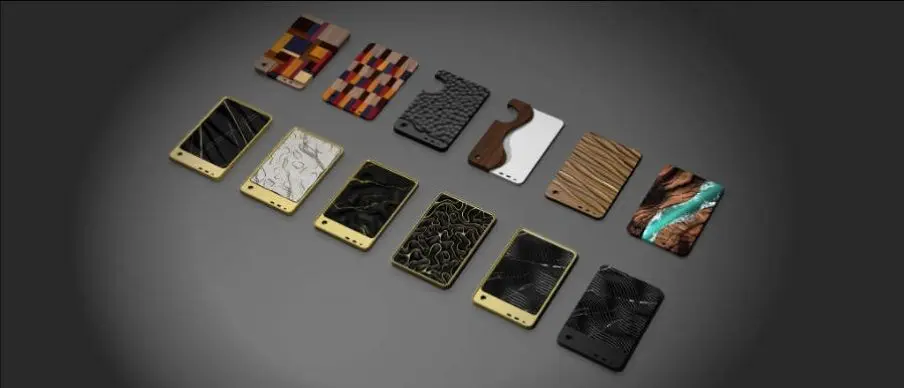
The Ferra is the centrepiece of the launch: a 31-litre micro-ATX chassis with a magnetic front panel system that lets users swap finishes without taking the case apart.
Two signature front panel versions were introduced with the case. One combines aluminium, a wood inlay and integrated ambient lighting, while the other is made from solid black wood. Limited front panels will also be offered in materials including wood, resin, marble, fabric and printed graphics.
Despite its compact size, the case is aimed at users building larger systems. It supports graphics cards up to four slots wide and 418 mm long, radiators up to 360 mm, and as many as seven 120 mm fans.
Power supplies in ATX, SFX and SFX-L formats can be mounted in either a side-facing or front-facing orientation. Mesh panels on the top, bottom and sides are designed to improve airflow and help resist dust build-up.
Cooling range
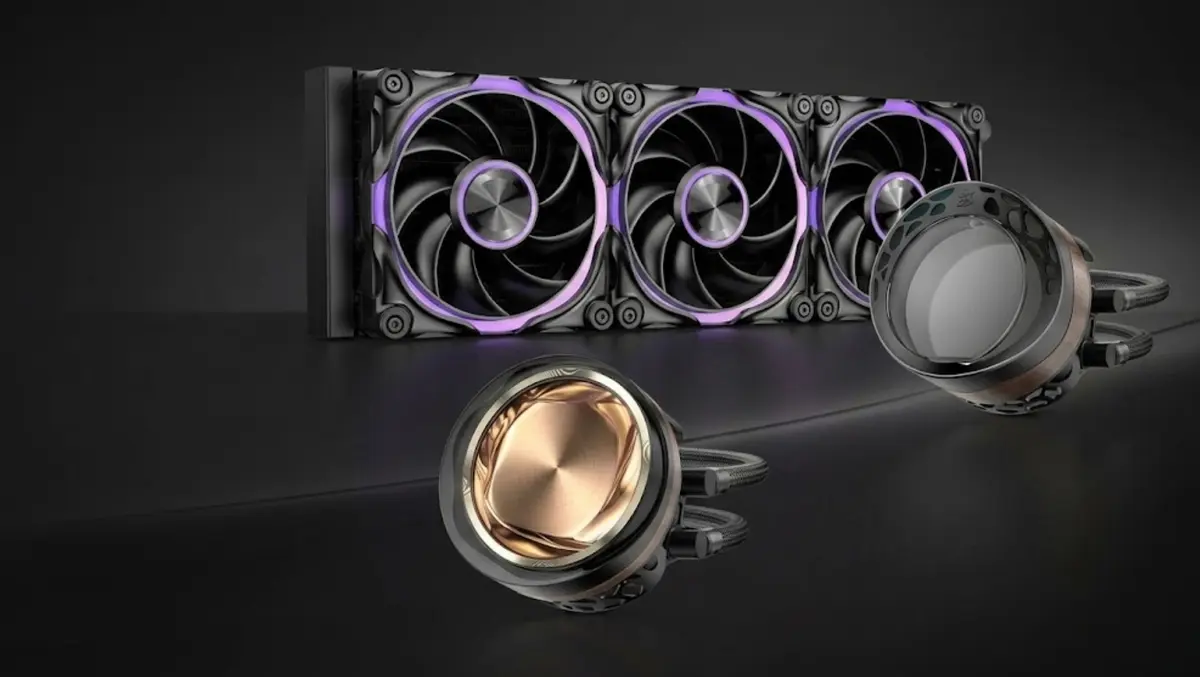
Amiiba is also entering the cooling segment with two product families. The Proteus series sits at the top of the range. One model features a ferrofluid display framed by a wood inlay, while another replaces the chamber with a 3.4-inch IPS display with 800x800 resolution for custom visuals and live system monitoring.
The Leucus range takes a different approach with interchangeable pump covers. At launch, those covers include a wood option designed to diffuse ARGB lighting through the block and a frosted option intended to scatter light unevenly for a softer effect.
All three cooler models use a 27 mm radiator, a ceramic-bearing pump and three pre-installed 28 mm fans. The specification suggests Amiiba is targeting enthusiasts who want both thermal performance and a distinct look from visible system components.
Amiiba's design language draws on ferrofluid, a liquid that reacts to magnetic fields and changes shape in response to its environment. The company has used that idea as a visual theme across its products, combining dark metal finishes with wood and ambient lighting.
Power supplies
The Vitalis power supply series covers four wattages: 2000 W, 1600 W, 1200 W and 1000 W. All models meet 80 PLUS Titanium efficiency standards and are built to Intel ATX 3.1 and PCIe 5.1 specifications.
Each unit has fully modular cabling, Japanese capacitors and a 140 mm fluid dynamic bearing fan. The 2000 W model includes four native 12V-2x6 connectors, while the 1600 W and 1200 W versions include two.
The 2000 W and 1600 W units use a 180 mm housing and will be sold in high-voltage versions for markets using 230 V input. The 1200 W and 1000 W models use a shorter 150 mm design to make installation easier in a wider range of cases.
Amiiba is entering a crowded market dominated by established suppliers of cases, cooling systems and power supplies. Its attempt to stand out rests less on unusual form factors than on material finishes, swappable exterior parts and aesthetic customisation aimed at users who see the PC as part of a room setup as well as a machine.
That approach reflects a broader shift in the desktop hardware market, where manufacturers increasingly target buyers who want systems to blend into home offices, studios and multi-use living spaces. In that context, details such as wood inlays, restrained lighting and replaceable panels may appeal to consumers seeking alternatives to standard metal-and-RGB designs.
The launch gives Amiiba coverage across three core parts of the DIY PC market from the outset. By pairing a compact case with premium coolers and high-wattage power supplies, it is presenting itself as a full-system brand rather than a single-category newcomer.