


OpenAI has disclosed the five most-used prompts by Australians in the first week of ChatGPT Images 2.0. More than half of Australian users of the image tool during that period were trying it for the first time.
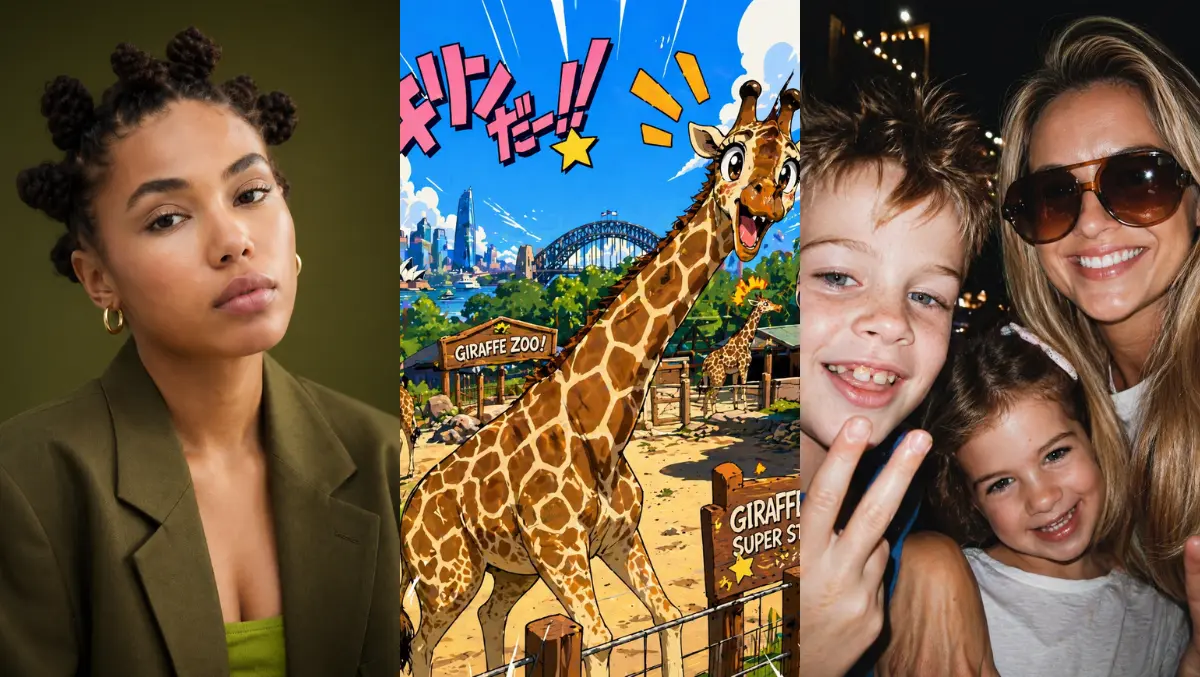
The list offers an early snapshot of how people in Australia are using the model after its launch. The most popular requests focused on portrait enhancement, stylised illustration, comic creation, night-time fashion edits and basic photo improvement.
Top prompts
The leading prompt asked the system to turn a photo into an "elevated fashion studio portrait". Users specified a complementary background, a head-and-shoulders composition, directional lighting and a polished editorial finish.
Another widely used prompt focused on anime-style transformations. It called for bright colours, simplified shadowing, exaggerated proportions and a warped, playful setting.
Australians also used the tool to create comic strips from uploaded images. That prompt asked for a Sunday comics style with thick outlines, halftone textures and bright 1980s colours, with a short joke built around a clear visual detail from the original picture.
A fourth popular request was for "nighttime chic flash photography". The style used direct flash, strong contrast, a dark background and slight overexposure to create a candid editorial look.
The fifth most common prompt was simpler. Users asked the tool to improve photo quality and make images clearer.
How it works
OpenAI described ChatGPT Images 2.0 as its first image model with "thinking" functions. When users choose a thinking model in ChatGPT, the system can search the web for real-time context, generate several distinct images from one prompt and check its own output.
The model is designed to handle more complex visual requests and produce results that can be used immediately. The Australian prompt data suggests many early users are testing that by combining detailed stylistic instructions with practical editing tasks.
User behaviour
Portrait-related requests appear especially prominent in the first week of use. Several of the top prompts asked for changes to lighting, composition, skin tones and framing while keeping the original subject recognisable.
That points to a pattern already seen in broader consumer image-editing markets, where users often begin with familiar photos before moving to more experimental formats. In this case, Australian users also appear to have quickly explored more stylised outputs such as anime and comic strips.
Gabriel Goh, Lead Researcher for ChatGPT Images 2.0, commented on the early use in Australia.
"We've been incredibly encouraged by how quickly Aussies are embracing ChatGPT Images 2.0 in ways that are both creative and practical. From fashion-style portraits and comic strip concepts to anime and infographics, people are already finding uses that feel personal, playful and useful.
"What's most exciting is that some of the most interesting ideas aren't coming from us, they're coming from users experimenting and creating in their own way. That's often where the most meaningful shifts begin," said Gabriel Goh, Lead Researcher, OpenAI.
OpenAI did not release raw usage figures for each prompt. It described the ranking as the top five prompt patterns observed among Australian users over the past week.
Early demand appears to span both creative expression and everyday editing. While some prompts asked for highly specific visual styles, the inclusion of a basic photo-enhancement request among the top five suggests a large share of users still want straightforward image correction rather than fully synthetic artwork.
That mix may be commercially important for AI image tools as companies seek to broaden their appeal beyond digital artists and hobbyists. A system that can shift between simple retouching and more elaborate visual generation may attract users who are new to image-creation software.
For OpenAI, the Australian data offers one of the first local indicators of behaviour around the updated image model. The strongest interest so far has been in turning existing photos into fashion portraits, anime scenes, comic strips, nightlife-style edits and clearer everyday images.