

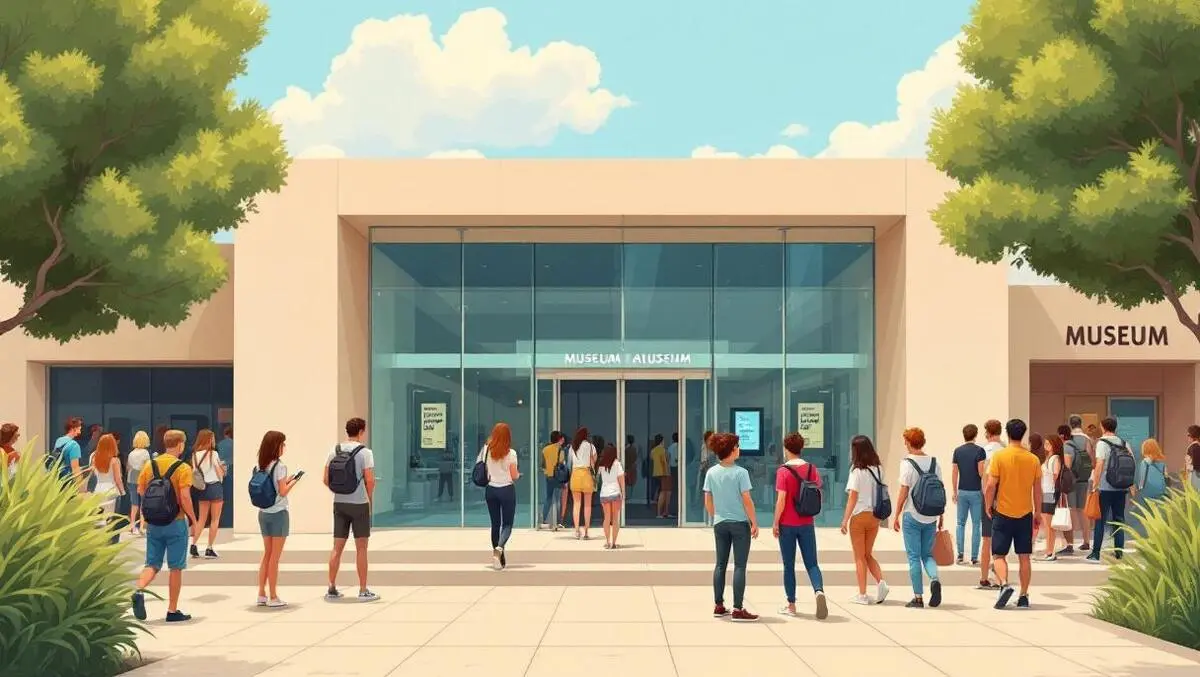

Australians are increasingly choosing cultural and educational attractions for a day out, but many still hesitate because they are unsure what they will get for the money, according to new research from Pureprofile.
The national study surveyed 1,024 members of Pureprofile's Australian panel and found interest in cultural attractions has risen over the past three to five years. The increase was strongest among Millennials (68%), parents (66%) and Gen Z (59%).
However, rising interest does not reliably translate into visits. Uncertainty and perceived risk appear to drive people away early-often at the awareness or consideration stage, before they begin planning or buying tickets.
Confidence gap
The data suggests many Australians are unsure what to expect from museums, galleries, zoos and heritage sites. The research links that uncertainty to low confidence they will enjoy the experience, doubts about relevance and concerns about cost.
Perceived relevance also varies by age. Millennials were most likely to say these attractions felt relevant (83%), followed by Gen X (77%), Boomers (67%) and Gen Z (65%).
Overall interest may be growing, but the path from curiosity to a confirmed visit remains fragile. Many respondents reported dropping the idea well before checking opening hours, transport options or ticket types.
Cost focus
Cost was the most frequently cited factor in deciding whether to visit, with 62% ranking it as their first consideration. Enjoyment remained the top motivator (66%), while 56% said value for money was critical to their decision.
For first-time visitors, discounted tickets or free entry were the biggest attendance drivers (48%). Clear pre-visit information about what to expect followed closely (46%). A welcoming, approachable communication style also mattered, with 38% selecting it as a driver of first-time attendance.
The research suggests anxiety among first-time and low-confidence visitors creates an opportunity for venues that manage the experience well. These groups were more likely to become advocates when an outing felt welcoming, clear and rewarding.
Word of mouth
Recommendations from friends and family played a major role. Overall, 75% said personal recommendations were important, rising to 84% among Millennials and 83% among people with children.
Discovery channels differed by age, with younger audiences more likely to learn about attractions through social media than through news or other media coverage.
When looking for new attractions, search engines were the most-used channel (52%), followed by word of mouth (34%). Millennials stood out for using social media (52%) and AI tools (23%) for discovery.
Pureprofile CEO Martin Filz said clearer communication could reduce the barriers highlighted in the data.
"The research shows clearly that confidence, not interest, is holding back many Australians from visiting cultural attractions. While they see these places as 'educational', 'fun or enjoyable' and inspiring, even after visiting attraction websites, many still aren't sure what to expect, whether they'll genuinely enjoy the experience, or if it will be easy to navigate or travel to."
"For younger audiences in particular, these visits must justify themselves on emotional payoff, relevance and enjoyment. Attractions need to consider Gen Z and Millennials if they want to maintain long-term relevance."
Reasons to return
The survey points to features that could lift repeat visitation. Tailored experiences ranked highest (70%), followed by regularly updated content (64%). Flexible and affordable pricing was selected by 60% as a factor in more frequent visits.
Relevance also remained important, with 46% calling it a key driver of future visits. Separately, 43% said communications should be warm, welcoming and inclusive.
Limited-time exhibits and events featured strongly, with 73% saying they would influence visits. The impact was higher for Millennials (85%) and respondents with children (83%).
Generational split
The findings also point to generational differences in how people approach cultural spaces. Boomers were more likely to report confidence and familiarity. Gen X weighed cultural activities against competing priorities and time pressures. Millennials remained interested but wanted reassurance that an outing would be enjoyable, relevant and worth the effort.
Gen Z recorded the highest levels of uncertainty, with the study suggesting they more often question whether cultural spaces reflect them, welcome them, or feel emotionally safe to engage with.
Recent visitation varied by attraction type. Nearly half of Australians said they visited a zoo in the past year (49%) or a museum (48%). Fewer reported visiting art galleries (34%) and aquariums (26%).
Visitation was strongest among men, Millennials, metropolitan residents and families. The research suggests attractions that sharpen pricing messages, improve pre-visit information and refresh content could lift both first-time attendance and repeat visits.