

Samsung unveils Flex Titanium for Galaxy foldables
Wed, 15th Jul 2026 (Today)
Samsung has unveiled Flex Titanium technology for its next generation of Galaxy foldable devices. The new display design is intended to reduce crease visibility.
Flex Titanium will debut in upcoming Galaxy foldables and centres on a redesigned display structure that uses titanium-based parts within the panel assembly.
Samsung is presenting the change as the latest step in a foldable product line now spanning seven generations. It said the new structure was developed in response to demand for larger screens, less visible creases and stronger devices that remain portable.
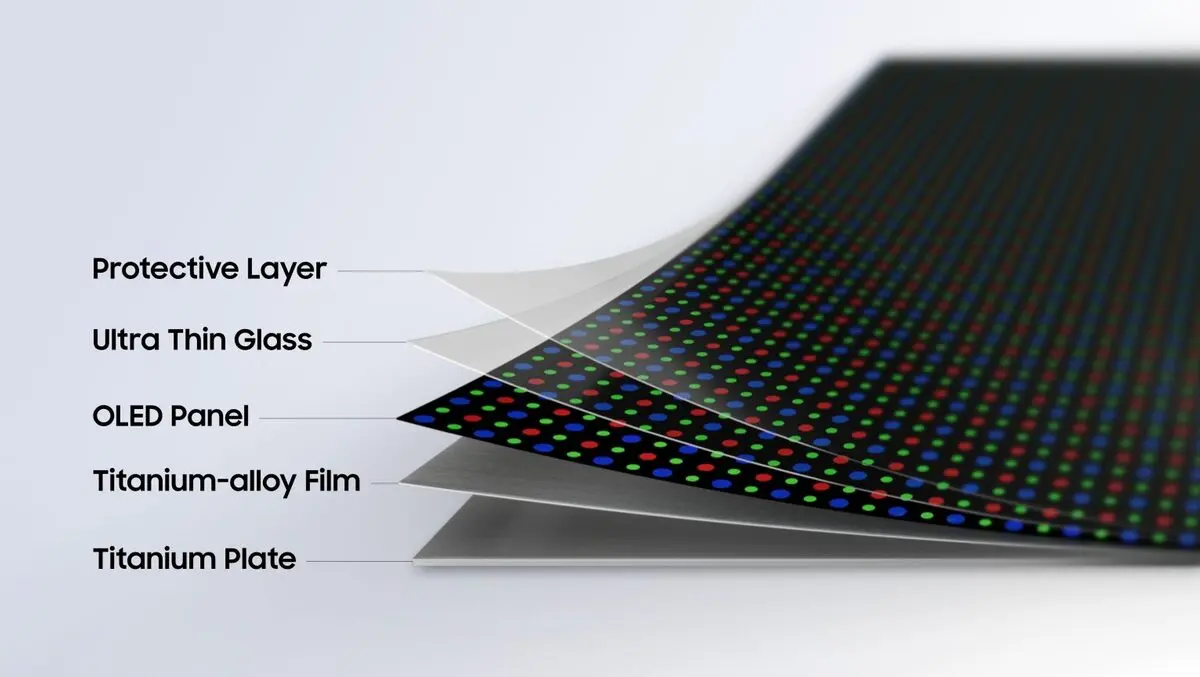
At the centre of the design are two titanium components: a titanium-alloy film and a titanium plate. Samsung said the film sits below the OLED panel to support the display internally, while the plate beneath the module is designed to provide structural support and withstand repeated folding.
A precision rolling process makes the titanium-alloy film thinner, helping to slim down the display panel. Samsung added that the titanium plate uses hole-processing methods to remove air gaps between the display module and the adhesive on the plate, aiming to improve support when the device is unfolded.
Material shift
Titanium is better known for use in sectors where strength and resilience matter, including aerospace and specialist engineering. Samsung said applying it to a foldable screen presented challenges because the material is stiff and the display structure must bend repeatedly without adding bulk.
The company said the revised structure balances thinness, flexibility and strength, long-standing design constraints for foldable phones. It also said the new display combines a higher-resolution architecture with new materials intended to improve power efficiency.
Foldable smartphones remain a relatively small but closely watched part of the premium handset market, where manufacturers are looking for new form factors as gains in conventional slab-style devices become more incremental. Display durability and crease visibility have been among the main issues shaping consumer perceptions of the category.
Samsung was one of the earliest companies to bring foldable smartphones to the broader commercial market and has continued to update the format across successive Galaxy launches. Its broader display track record includes early work in AMOLED screens and the move towards flexible panels in mobile devices.
Sunghoon Moon, EVP and Senior Executive, Mobile R&D Office - H/W, Samsung Electronics, linked the new technology to the company's approach to foldables.
"Samsung's strength in the foldable category comes from connecting user needs with our technologies that deliver tangible benefits in everyday life. For the next generation of Galaxy foldables, Samsung is building on years of expertise to bring display innovations into devices that enhance user experiences, anchored by exceptional viewing experiences," said Moon.
Display engineering
A second executive comment focused on changes to the titanium plate and the display architecture. Samsung Display is responsible for much of the panel development used in the group's mobile devices.
"By introducing sophisticated micro-patterned holes to the folding section of the titanium plate, we have successfully secured flexibility with robust durability. Combining high-resolution display architecture with new materials that helps maximise power efficiency, we will further strengthen the competitiveness of next-generation Galaxy foldable devices," said Yoo.
Samsung did not provide model names, pricing or detailed performance figures. It said only that Flex Titanium would appear in its next generation of Galaxy foldables, making the display structure one of the more significant hardware changes signalled ahead of those devices.
The announcement underlines how much of the contest in foldables is now centred on materials science and mechanical design rather than headline screen size alone. For manufacturers trying to broaden the appeal of foldable phones, reducing the visible crease while preserving slimness and structural strength remains a key engineering hurdle.