

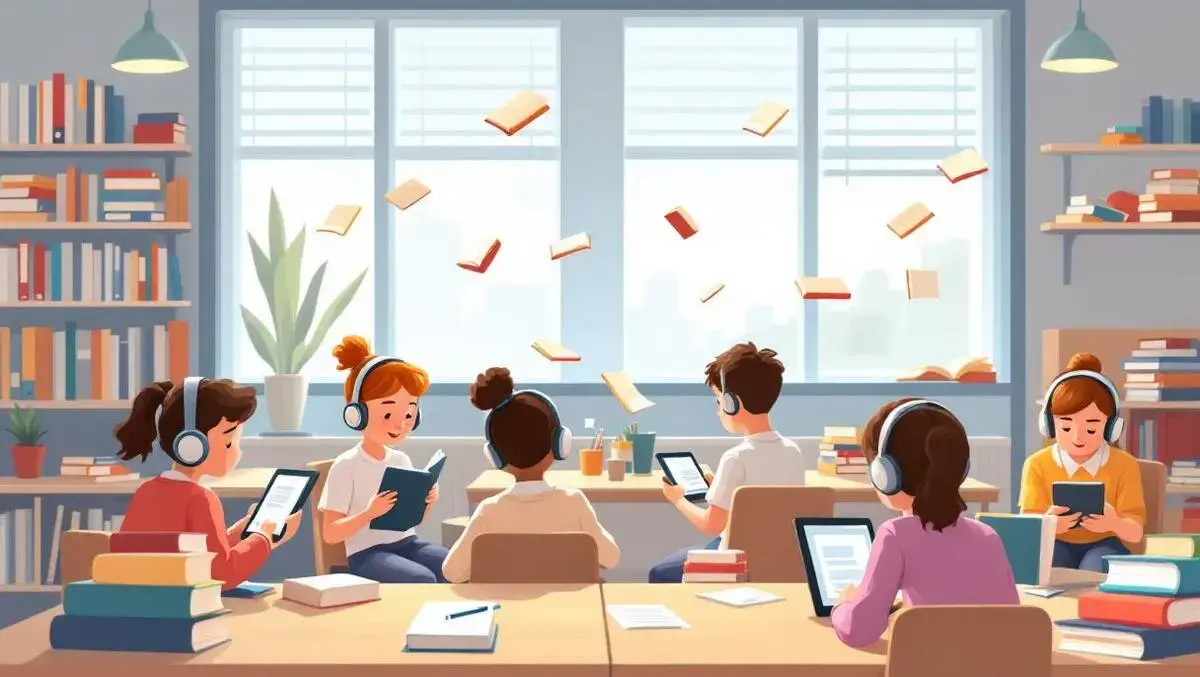
Students borrow 4.8 million digital books in Australia
Mon, 11th May 2026
Students in Australia and New Zealand borrowed 4.8 million digital books through OverDrive's Sora schools platform in 2025, pointing to strong uptake of digital reading among school-aged users.
Ebooks remained the dominant borrowing format, while audiobook use continued to rise. Humour, fantasy, and comic and graphic books were the most popular genres among younger readers, suggesting students are drawn to formats and subjects that hold their attention.
The findings come as schools and policymakers continue to debate device restrictions, screen limits, and the role of technology in classrooms. OverDrive argued that reading on a screen should be distinguished from other forms of digital activity, particularly social media use and passive browsing.
Monica Williams, account manager at OverDrive, said the figures reflected a change in how students engage with books. "Young people are still very much engaged with reading - they're just doing it on a screen," she said.
She said the behaviour recorded through digital reading differed from other types of screen use. "What we're seeing is students using digital platforms for sustained, focused reading, often for extended periods. That's a very different behaviour to scrolling or passive consumption," Williams said.
Access tools
Digital formats are also helping schools support a broader range of learners. Audiobooks, text-to-speech options, and adjustable reading settings were cited as tools that can help pupils engage with content at their own pace, particularly reluctant readers and those with learning differences.
Students are also using in-app functions to look up unfamiliar words, annotate passages, and set personal reading targets. Many chose daily goals of about 20 minutes, which OverDrive linked to wider literacy research on the benefits of regular reading practice.
The data pointed to notable differences in reading tastes across Australia. Nature featured strongly as a secondary genre in several states, indicating broad interest in environmental themes, while biography and autobiography were especially popular in New South Wales.
Historical fiction showed stronger appeal in southern and western parts of the country. Queensland recorded the highest digital reading activity overall, leading Australia in both ebook and audiobook borrowing.
Williams said the regional variations highlighted how student reading habits differ by place. "These insights show that reading habits aren't one-size-fits-all," she said.
"They reflect local interests, identities, and what matters to students in their everyday lives."
Print and digital
OverDrive said growth in digital borrowing should not be viewed as a replacement for printed books, but as part of a broader shift in how students access texts. Schools are increasingly using a mix of print and digital formats to meet different learning needs and preferences.
That position is likely to resonate in a market where educators face pressure to improve literacy outcomes while also responding to parental and political concern about student screen exposure. The distinction between educational reading and other digital activity has become central to those discussions.
Sora is OverDrive's digital reading platform for schools, offering access to ebooks, audiobooks, and other formats. It includes features such as read-aloud functions, content filters, and tools that allow teachers to guide reading choices.
Williams said the debate should focus less on format and more on how students read. "This isn't about choosing between print and digital," she said. "It's about recognising that students are reading in different ways, and understanding how different formats can support both engagement and learning."