Screen time stories
The app taps into growing loneliness in Australia, where official data show many adults feel isolated at least some of the time.
Younger parents are driving AI adoption at home, but many say privacy, safety and the risk of falling behind are fuelling anxiety.
Redirecting a third of teenagers' daily scrolling could free up one extra focused learning session and lift mastery in senior subjects.
Background AI tasks could drive a new wave of mobile traffic, with Ericsson saying two-thirds of users may tap AI daily by 2030.
A Logitech G survey shows gaming has become a regular family activity in Australia, with dads more likely than mums to rate themselves as better than their children.
Australian homes are driving demand for moveable screens as Samsung's new 27-inch set targets gaming, workouts and work.
Australian buyers can now pay AUD $2,499 for Asus's anniversary handheld, which adds an OLED screen and revised controls at the top of the Ally range.
Teen users in Australia will now default to a safer ChatGPT with study tools, parental controls and tighter limits on sensitive content.
Parents worried about privacy and scams may get separate AI profiles, while TrendLife tests a new family-focused subscription starting at AU$16.50 a month.
Children can stay connected without the need to purchase a more expensive smartphone, with a range of parental controls available on Apple Watch SE 3.
Their rapid rise is prompting concerns that AI-made episodes and algorithmic recommendations will make microdramas even harder to stop watching.
Parents and teachers may get more oversight of children's AI use as TrendLife rolls out Kaleida with Learning Buddy to curb answer-only shortcuts.
Students may know how to manage stress, but most are not practising those skills when pressure rises, a survey of 72,000 finds.
Australia may let users switch off personalised feeds as regulators move to curb harmful content and protect under-18s online.
Cost pressures have helped slow New Zealand's media shift, with television narrowly beating global video-sharing platforms and streaming use easing.
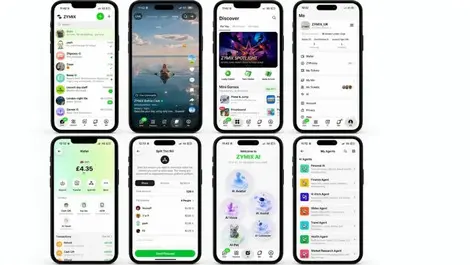
The app aims to cut the need for Gen Z users to juggle separate services, as UK adults now use 41 apps a month on average.
Parents may get clearer progress reports under National's plan, but experts warn a blanket screen ban could curb useful classroom technology.
The back-to-school move comes as parents and teachers report that screen time is fuelling rowdy classrooms and family disputes over phones.
The move gives under-18 users stronger safeguards and homework support as regulators and parents scrutinise AI chatbots' impact on teens.
Demand for night-time internet limits is growing as ministers prepare tighter controls for teenagers and more adults seek help with screen time.