

Evrima opens Australian smartphone PTSD study recruitment
Mon, 28th Sep 2026
Evrima Technologies has opened recruitment for a virtual Australian study testing whether smartphones can help diagnose post-traumatic stress disorder. The company describes it as one of the world's largest studies of a mental health diagnostic device.
The study will examine whether physiological signals captured by a standard smartphone are accurate enough to support PTSD diagnosis. Running over five weeks, it is aimed at adults in Australia experiencing symptoms of depression, anxiety or PTSD, whether or not they have a formal diagnosis.
Participants must be 18 or older, live in Australia and have access to an iPhone 13 or newer. The programme does not involve treatment. Participants will complete about nine hours of study activity from home, with support from qualified psychologists.
Evrima is developing the Senseye Diagnostic Tool, which is being trained, tuned and tested through the trial. The project compares the tool's output with the current clinical reference standard for PTSD diagnosis in a prospective, multicentre study.
PTSD is currently diagnosed through structured clinical interviews such as the Clinician-Administered PTSD Scale, or CAPS-5. These assessments can take 90 minutes or more and rely on a clinician's judgement, as well as a patient's ability to recall and describe symptoms.
That process can create barriers for people seeking help, particularly veterans, first responders, survivors of violence, and those living in regional and remote areas. Access to specialist mental health services is often more limited outside major cities, adding to delays in diagnosis and treatment.
The trial also includes data relating to Generalised Anxiety Disorder and Major Depressive Disorder. This element is intended to help the tool distinguish PTSD from conditions that often occur alongside it.
The mental health context
The recruitment drive comes amid high mental health need in Australia. More than one in five Australians aged 16 to 85 experience a mental disorder in a given year, according to figures cited by the company, while anxiety disorders affect an estimated 3.4 million people over a 12-month period.
PTSD accounts for a significant share of that burden. Around 11% of Australians are estimated to experience PTSD at some point in their lives, and women face nearly double the risk of men. The same figures indicate that three in four Australian adults have experienced a traumatic event.
Younger Australians are a growing concern. Research cited in the study material shows that 12-month mental disorder rates among 16 to 24-year-olds are significantly higher than in earlier national surveys, underscoring demand for new ways to identify and assess mental health conditions.
A fully remote study design could also widen access to research participation. Instead of attending in-person visits, participants download a dedicated app and complete the programme at home over five weeks.
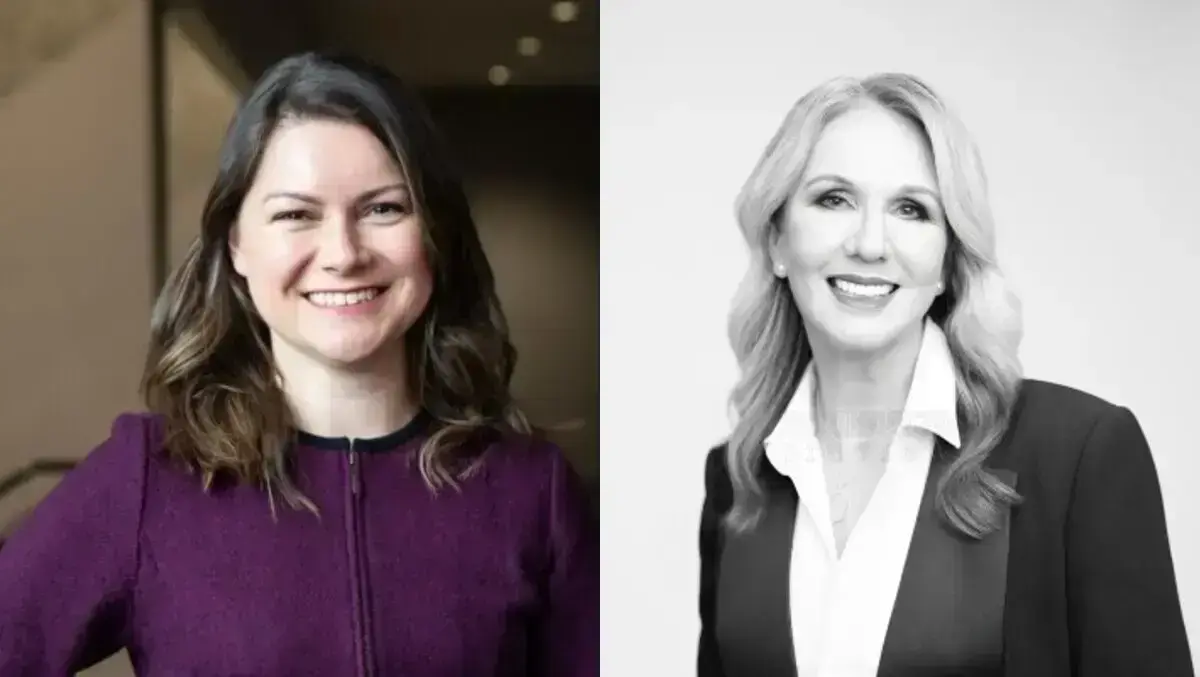
Charlotte Bradshaw, founder and chief executive officer of Evrima Technologies, said the nationwide model could broaden the study's reach.
"This is a landmark moment for mental health research in Australia. By taking this study directly to Australians, wherever they are in the country, we have the opportunity to help develop a faster, more objective way to identify PTSD, while also building a richer understanding of depression, anxiety and PTSD than has ever been possible before. We'd encourage anyone who thinks they may be eligible to register their interest and find out more," Bradshaw said.
Diagnostic gap
Efforts to develop digital diagnostic tools are drawing growing attention across healthcare as providers look for ways to manage rising demand and workforce shortages. In mental health, diagnosis often depends on lengthy interviews and specialist assessment, which can be difficult to access quickly.
The smartphone-based approach is intended to offer a more objective assessment process, though the current study cannot provide participants with a diagnosis. Recruitment is focused on gathering evidence on how well the system performs against established clinical methods.
Jane Burns, global expert in mental health and wellbeing, said large studies can also influence how people think about seeking care.
"Seeking support for your mental health takes courage, but it's one of the most important steps anyone can take. Studies of this scale don't just build the evidence base, they send a powerful message that no one needs to face depression, anxiety or PTSD alone, and that help is available," Burns said.