

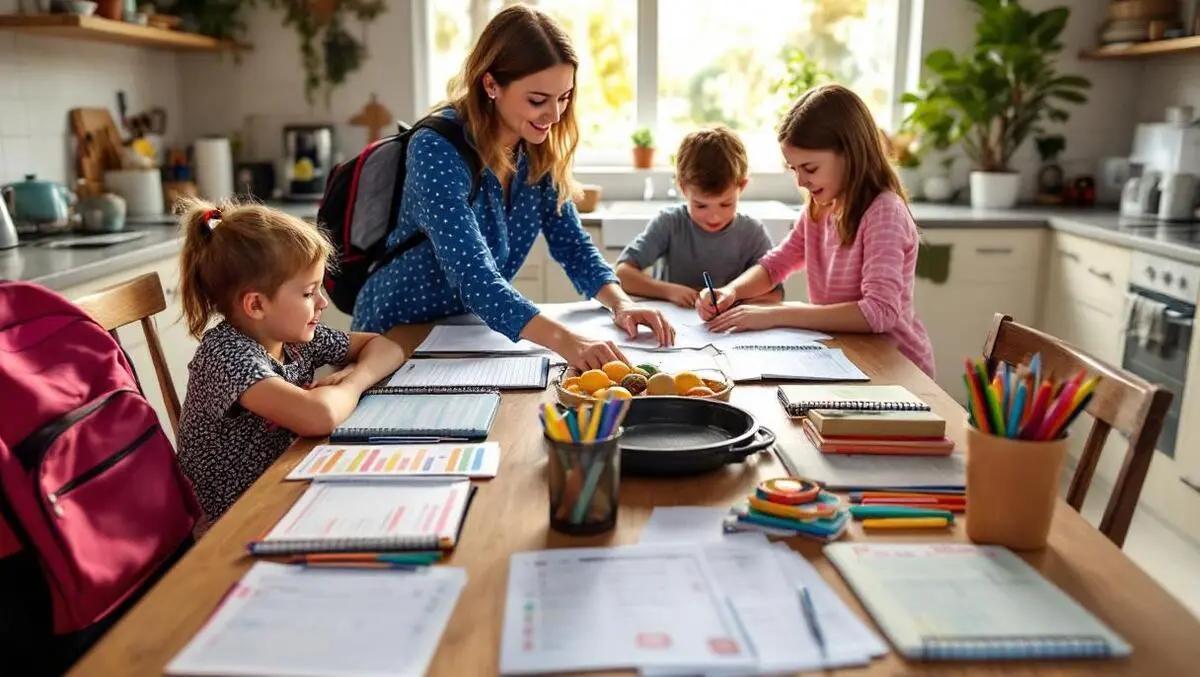

HP Australia has published survey results that point to higher stress levels among Australian families during the back-to-school period ahead of Term 1.
The research, based on a survey of more than 1,000 parents of school-aged children, found that 59% of parents find the back-to-school period stressful. Almost half, or 47%, said Term 1 in 2026 feels more stressful than previous years.
Parents described familiar points of pressure during the first week back. They reported arguments, tears, forgotten items and last-minute panic as households return to routine after the summer break.
Deirdre Brandner, a child psychologist, linked the findings to signs she sees in families at the start of the year.
"In the weeks leading into the school year, I see a predictable rise in stress, not just in children, but in parents as well. Back-to-school anxiety rarely presents as panic," said Deirdre Brandner, Child Psychologist. "Instead, it shows up quietly: disrupted sleep, short tempers, reluctance at drop-off, headaches or stomach aches, emotional shutdown in teens, or children who "hold it together" all day and unravel at home."
Screen fatigue
The survey also highlighted parents' concerns about screen use during the holidays and the impact on the return to school routines. Nearly two-thirds of respondents, or 65%, said holiday screen time makes the transition back to school harder.
At the same time, 83% of parents said they want to reduce their child's screen time as Term 1 begins. The results add to broader debates among educators and parents about device use, online entertainment, and attention patterns in the classroom and at home.
Routines and tools
When asked what would make Term 1 easier, parents pointed to practical routines and visible prompts rather than additional digital tools. The survey found that 87% want the upcoming school year to feel simpler, calmer or more organised.
Most respondents said they see value in ready-made printed resources. The survey found that 84% said ready-made, printable tools like planners and checklists would help them feel more prepared. Another 83% said clearer routines or visual checklists would reduce arguments and stress.
Other results addressed morning preparation and household organisation. Nearly four in five parents, or 79%, said printed reminders like planners and checklists help mornings run more smoothly. A separate 76% said they prefer printed, visible planners over adding more digital apps for their children.
Brandner set out a list of screen-light tips that families can use during the lead-up to Term 1. They included resetting sleep routines around a week before school returns, and shifting bedtimes and wake-up times gradually. She also pointed to preparing bags, uniforms and lunches the night before, and allowing time after school for children to decompress.
Brandner also advised parents to use language that reduces pressure, and to avoid framing the year as a major test. She also recommended collaborative approaches to organisation, such as printed planners, colour-coded timetables, reminders and consistent bag routines.
HP education focus
HP said it offers printable resources for families through its HP Printables site. The materials include planners, checklists and affirmation cards. The company positioned the approach as a way to address organisation without increasing screen time.
Brett Salakas, HP's Education Ambassador and a former school principal, said schools and families often face similar pinch points at the start of Term 1.
"As a former school principal, I know how challenging the back-to-school period can be for families," said Brett Salakas, HP's Education Ambassador. "When children feel confident and ready to learn, everything changes. With the right tools, simple routines and organisation can turn rushed mornings into calm moments of connection, helping kids head to school on the right foot."
The survey was conducted by YouGov among 1,039 Australian parents of school-aged children aged five to 17. Fieldwork ran between 5 and 10 December 2025, and the data was weighted by gender and region.
HP said the findings show parents want fewer points of friction in daily routines at the start of the school year, with printed checklists and planners emerging as a preferred option over additional apps.