

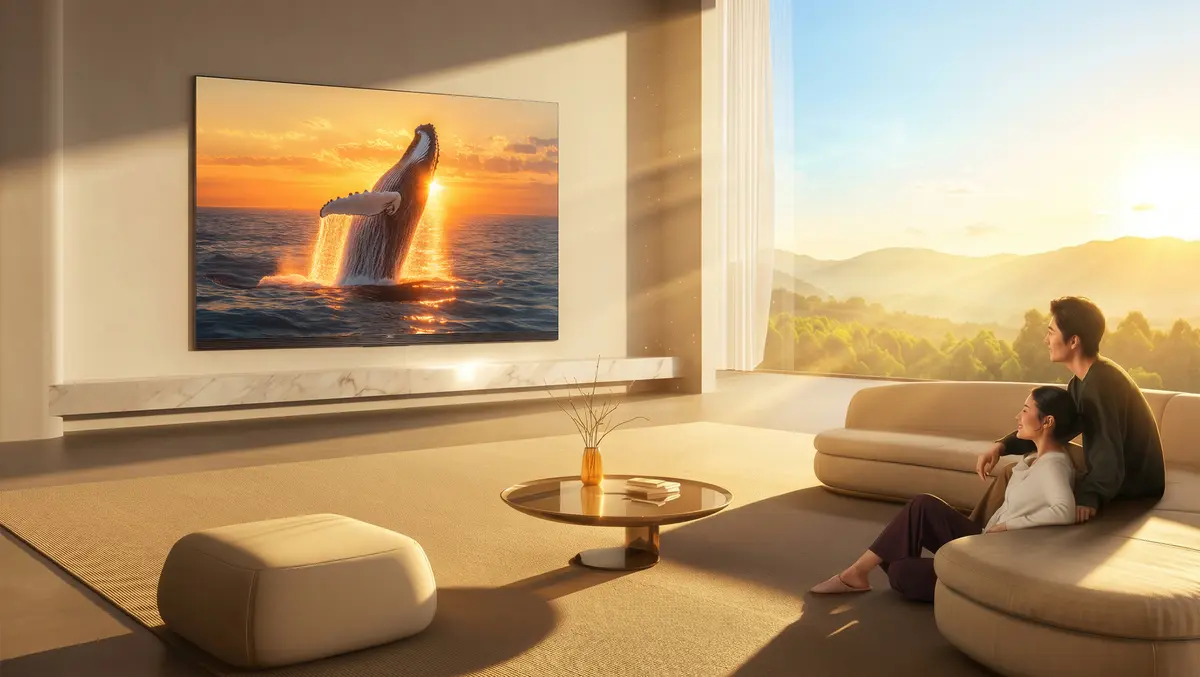

TCL Electronics Australia has urged households to review their television settings and screen features ahead of daylight saving changes, as longer evening daylight can affect home viewing.
When clocks move forward in New South Wales, South Australia, Victoria, Tasmania and the ACT, later sunsets can leave more ambient light in living rooms during common viewing hours. That can increase glare and reflections on screens, particularly in rooms that receive direct late-afternoon or early-evening sun.
Richard Falzon, Product Manager at TCL Electronics Australia, said the shift can change how a room interacts with a television even when nothing in the room has physically moved.
"Most people take a one-and-done approach to setting up their furniture layouts around the TV, whether in the living room or other areas of the house," Falzon said.
"But while the sofas and TV may not move, the low evening sun will literally change overnight - especially in west-facing rooms.
"Yet you shouldn't have to shift your living room around as the clocks go forward. Keeping the TV brightness up will help counteract the on-screen fading and colour degradation that can occur on sunny Australian days. A brighter screen also helps ensure reflections, when they do occur, do not overpower or distract from the overall picture."
The comments highlight a seasonal issue for television makers and retailers in Australia, where daylight saving changes can noticeably affect indoor lighting during common viewing hours. Late daylight can be particularly disruptive for viewers who rely on darker rooms to improve picture quality in the evening.
Seasonal viewing
Falzon said households should assess whether their television is suited to brighter conditions during the summer months. He pointed to display features that can influence picture quality in sunlit rooms, including backlight control, colour technologies and screen treatments designed to reduce glare.
In practice, the issue is less about changing viewing habits than about adapting a screen to a different lighting environment. Reflections cannot be eliminated entirely, but brighter panels and glare-reduction measures can lessen their effect on the picture.
This is likely to matter most in living rooms with west-facing windows, where low sun angles later in the day can fall directly across a television. In those conditions, screen brightness and anti-glare design become more important than they are during darker months.
Product focus
TCL used the daylight saving change to draw attention to screen technologies in its newer television range. Viewers considering an upgrade were encouraged to look for terms linked to dimming, quantum dot displays, colour filtering and glare reduction.
"TV-watching Australians shouldn't have to work around the sun hanging around for longer, but it's something that has long affected viewing habits," Falzon said.
"However, technologies such as precise dimming backlight control, super quantum dot technology and ultra colour filters can combine to create a crisp, vibrant and colourful image even in bright, sunlit rooms.
"These features were front of mind when we developed our new SQD Mini-LED range, which has glare reduction built into the screen. Maintaining brightness and a vivid picture requires a combination of leading technologies, and while reflections cannot be fully removed from any TV, these features do lessen their impact. Looking out for these product terms can make a difference for those looking to upgrade their set over the summer months."
TCL cited its C7L, C8L and X11L televisions as part of that range.