


TCL Australia has outlined three at-home checks consumers can use to see whether their televisions show blooming. The guidance focuses on simple viewing tests that can be done in about two minutes.
Blooming, also known as the halo effect, occurs when light from bright parts of a screen spills into darker areas, creating a hazy glow. It can affect perceived contrast and black levels, particularly in scenes with sharp bright elements against dark backgrounds.
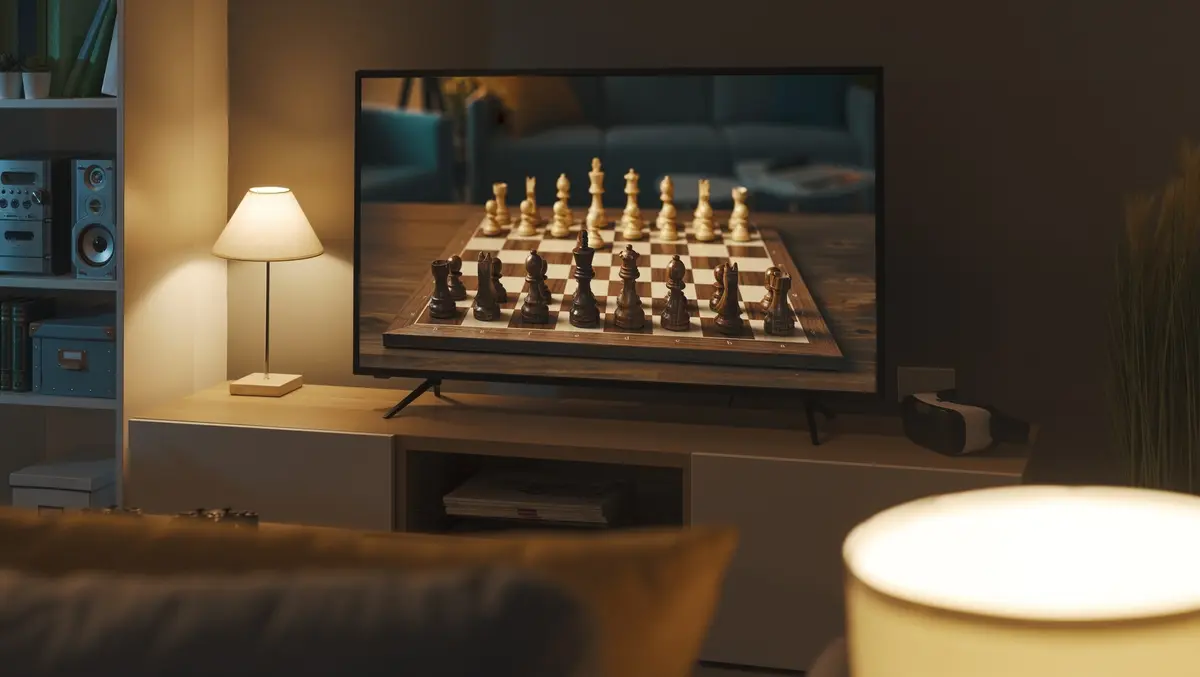
Viewers can use three types of content to look for the effect: scenes with chessboards or checkerboard patterns, end credits from films or television programmes, and solid-colour videos in red, green or blue.
Patrick Chen, Product Training Specialist at TCL Australia, said the first check is designed to show how clearly a panel handles contrast.
"Consumers are spending serious money on their home entertainment, so understanding a few visual cues can give real peace of mind," Chen said.
"Firstly, putting on a scene with a chessboard pattern is a very easy way to evaluate contrast and panel quality. Each black-and-white square should look super crisp, rather than displaying a halo effect around the edges," he said.
The second test focuses on how text moves on screen. End credits can reveal whether motion blur appears around lettering, which may also indicate how a set handles fast-moving sports or other action content.
"The end credits of a movie or TV show are another clear tell. Motion blurring can sometimes occur with the text, which can translate negatively later on when watching fast-moving sports. On the flip side, smooth text movement can signal fluid motion handling," Chen said.
The third check looks at picture uniformity. A full-screen red, green or blue video can make it easier to spot patchiness, uneven lighting or colour inconsistency across the panel.
TCL said improvements in display design, including Mini-LED backlighting, aim to reduce these effects by controlling where light appears on the screen. It linked that approach to local dimming, which manages brightness in separate sections of a television panel.
Chen said the basic tests are meant to help shoppers judge picture quality without specialist knowledge or equipment.
"Testing TVs shouldn't be overly complicated - a two-minute check with everyday videos can quickly reveal if viewers are getting the quality they paid for," he said.
What to ask
For consumers considering a replacement television, TCL said two hardware measures are worth asking about in shops: local dimming zones and peak brightness. Both can influence how much blooming is visible, especially in difficult scenes that combine dark backgrounds with bright highlights.
Chen said those specifications can help buyers compare models more closely before making a purchase.
"If certain TVs struggle with these tests and consumers are considering an upgrade, I recommend asking retailers about any new TV's local dimming zones and peak brightness," he said.
"These are two of the biggest factors that influence potential blooming, so they're very important to guarantee the best picture possible. Consumers shouldn't be afraid to ask what's under the hood to ensure they are making the most educated decision possible," Chen said.
Mini-LED focus
The guidance also highlights TCL's Mini-LED range, including the X11L, C8L and C7L. According to the company, these models are designed to reduce blooming through more precise control of backlighting.
TCL cited the X11L as an example, saying it includes up to 20,736 dimming zones intended to limit light bleed and improve black levels. The figure reflects how television makers are using larger numbers of smaller lighting zones to address picture issues that remain visible on some LCD-based displays.
The advice comes as television buyers continue to weigh screen size, brightness and panel technology against price. For many shoppers, visible artefacts such as halos around subtitles, credits or bright objects remain among the clearest signs of how well a set performs in everyday viewing.