

Samsung sets out vision for more human-centred AI design
Thu, 8th Jan 2026
Samsung has used a design-focused session at CES 2026 in Las Vegas to set out a vision for warmer, more expressive technology that it says will shape how people experience artificial intelligence in everyday life.
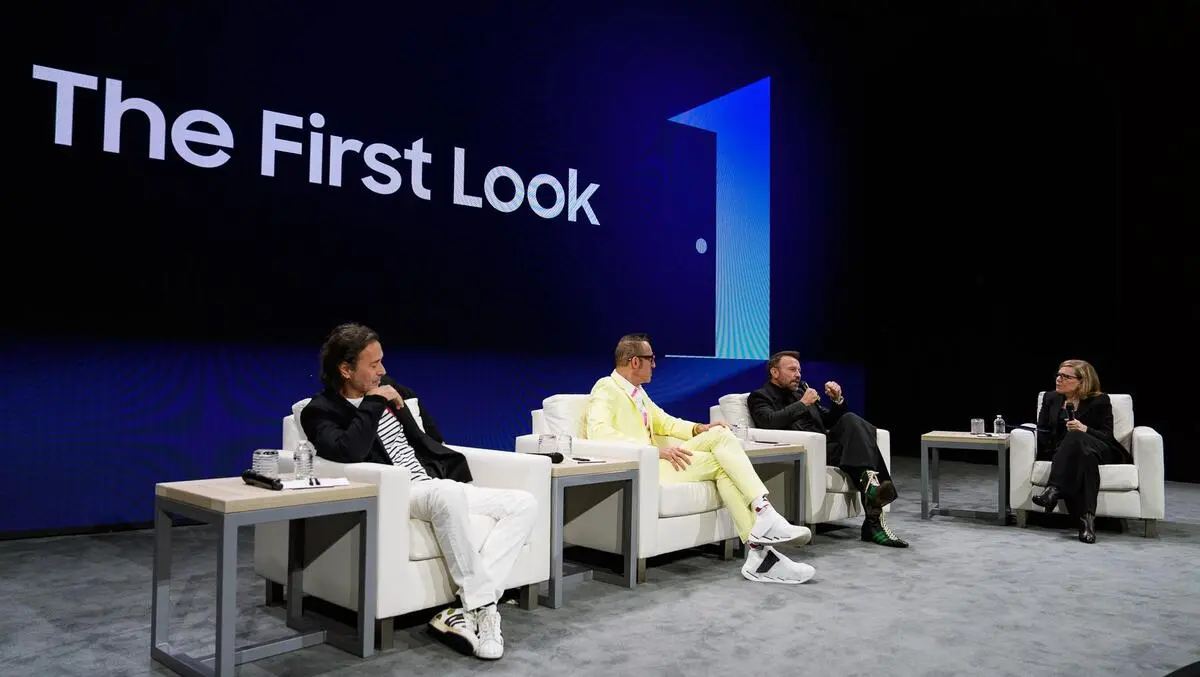
The company hosted the final event in its CES 2026 Tech Forum series under the title "The Human Side of Tech: Designing a Future Worth Living" at its The First Look space at The Wynn Las Vegas. The panel brought together Samsung Chief Design Officer Mauro Porcini with designers Karim Rashid and Fabio Novembre. Debbie Millman, host of the podcast "Design Matters", moderated the discussion.
The panel addressed how product design in consumer technology may evolve after two decades dominated by minimalist aesthetics and similar visual cues across devices and brands. It examined how design choices in an AI-centric era may influence the way users perceive, engage with and emotionally respond to technology in homes and personal spaces.
Beyond uniform minimalism
Millman opened the discussion by contrasting the homogeneity of recent tech design with more varied approaches in other sectors. "In recent years, design in tech has been somewhat uniform," said Debbie Millman, Host, "Design Matters". "Compared to other industries, the uniformity in the world of tech is an anomaly. So what if we were to extend technology beyond specifications and functionality?"
Samsung framed the session as part of a wider effort inside the company that places more attention on how products fit into people's lives and routines. That includes a focus on emotional response as well as utility and performance. The panel also noted that barriers to product creation are falling as digital tools, manufacturing methods and distribution networks become more accessible, which increases the range of design voices in the market.
The designers argued that this shift changes expectations of technology brands. They said users increasingly look for devices that match personal identity and values, rather than only technical features or price points.
Technology and emotion
Porcini described design within Samsung as a way of shaping everyday experiences through technology that reflects human needs and feelings. He set out a design purpose that focuses on enhancements to daily life, instead of only new technical functions or form factors.
During the session he said the company has aligned its design work around support for wellbeing, creativity and self-expression. This spans product categories that reach into homes, workspaces and public environments.
Rashid highlighted the emotional dimension of physical products. "When we think about physical things in our world, we think not only about diversity of choice but also the fact that we can develop strong connections to objects," he said. "Through design, you can end up with a very powerful, emotional connection with inanimate objects, or even products."
The panel linked this perspective to the way consumers select and arrange devices in their living spaces. It said products that communicate intention and care through their design details can stand out in crowded markets where core technical specifications are often similar.
AI, imagination and values
Much of the discussion focused on the role of AI in future design practice. The speakers described a shared view that AI works best when it is informed by human values and emotional insight. They said AI systems should act as an extension of human creativity rather than a direct replacement.
Porcini presented a framework he uses inside Samsung. He described it as "AI × (EI + HI)", combining Artificial Intelligence with Emotional Intelligence and Human Imagination. He said this balance can influence how new features are conceived and how they are experienced by end users.
"When we design and develop, AI is amplified by Emotional Intelligence and Human Imagination. Then, when people use products, AI amplifies Emotional Intelligence and Human Imagination," said Mauro Porcini, Chief Design Officer, Samsung.
The panel said such an approach could affect AI-assisted interfaces, adaptive displays and personalised services. It outlined scenarios in which AI adjusts not only to functional requirements but also to a user's mood, preferences and social context.
Expressive design focus
The designers argued that "expressive" design is becoming more central in consumer technology. They linked the term to products and services that support self-expression, enable richer communication and prompt curiosity or imagination.
Novembre described his view of design's role in this shift. "Happiness is the aim of design," said Fabio Novembre. "Our pursuit of happiness is through design. I strongly believe in design, and that it must move back to the centre of the stage."
The panel said this trend moves emphasis away from singular objects and towards entire user journeys. Those journeys can span devices, applications and physical environments. Emotional responses, perceived meaning and expressions of identity become part of the design brief, alongside more traditional industrial and interface design concerns.
The speakers said this does not imply a single visual style. They expected future products to range from understated and minimal forms to more colourful and unconventional expressions. They said both ends of this spectrum could sit within a design strategy that aims for technology which feels more human and relatable.
Samsung did not outline specific forthcoming products during the session. It framed the discussion as a guide for its ongoing design direction across televisions, mobile devices, home appliances and connected services, with a particular focus on AI-enabled experiences.
The company signalled that these themes will influence its future product development cycles and design language, as it continues to link AI features with what it describes as human-centred values.