

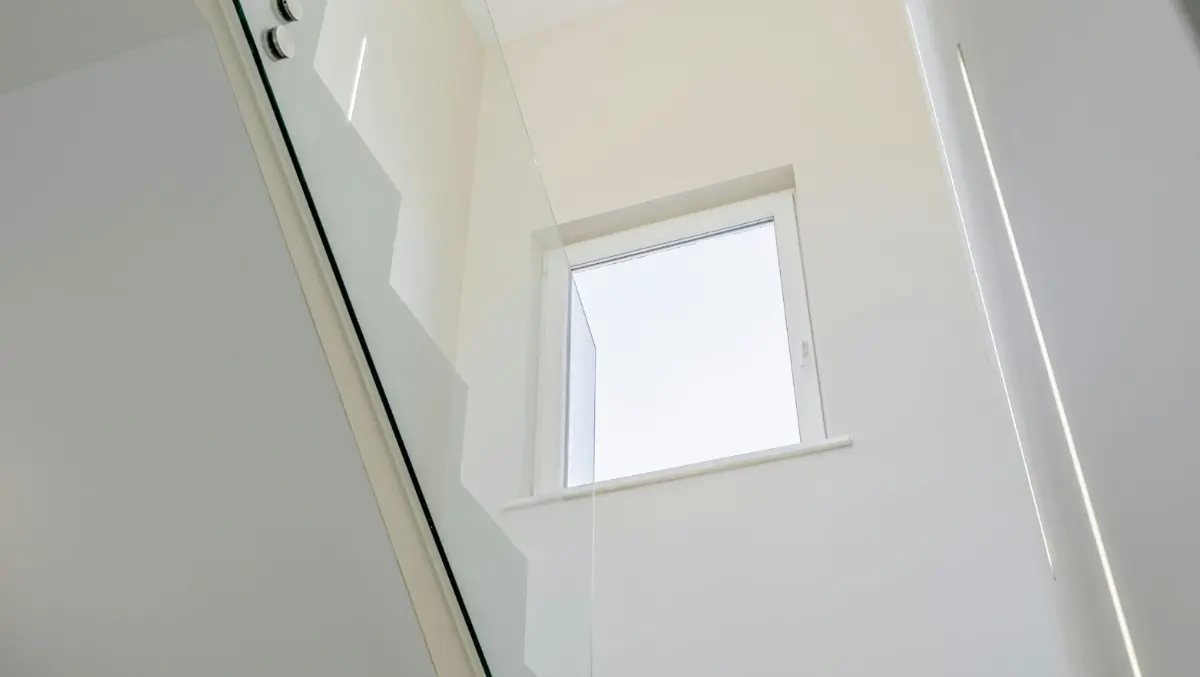
How to create a statement staircase with the right lighting
Fri, 10th Apr 2026
Staircases are often treated as purely functional elements, designed to connect levels without much consideration for their visual impact. Yet they occupy a central position in many homes and naturally draw the eye. With the right approach, a staircase can become one of the most striking features in a space.
Lighting plays a significant role in this transformation. It influences how the staircase is perceived, highlighting its structure and creating a sense of depth. Rather than being overlooked, the staircase can become a focal point that enhances the overall design of the home.
Many homeowners achieve this effect by incorporating elements like stairway lighting, which allows them to combine functionality with a more considered aesthetic. Understanding how to approach this process helps you create a space that feels both practical and visually engaging.
The role of lighting in visual impact
Lighting shapes how surfaces, textures, and forms are experienced. On a staircase, it can highlight architectural details, draw attention to materials, and create contrast between levels.
The direction and intensity of light influence how shadows are cast, which can add depth and dimension. This makes the staircase feel more dynamic rather than flat or overlooked.
Using lighting intentionally allows you to guide how the space is seen and experienced.
Choosing the right type of lighting
Different types of lighting create different effects. Pendant lights, wall mounted fixtures, and recessed lighting each offer unique benefits depending on the layout of the staircase.
Pendant lighting is often used to create a strong visual statement, particularly in spaces with higher ceilings. Wall lighting can provide a softer, more subtle effect, while recessed options offer a clean and minimal look.
Selecting the right type depends on both the structure of the staircase and the overall style of the home.
Considering scale and proportion
Scale is an important factor when designing a statement staircase. Lighting that is too small may go unnoticed, while oversized fixtures can feel overwhelming if not balanced correctly.
The height of the ceiling, the width of the staircase, and the surrounding space all influence what will work best. Choosing fixtures that complement these proportions helps create a more cohesive result.
Balancing scale ensures that the lighting enhances rather than dominates the space.
Placement for maximum effect
Where lighting is placed can have a significant impact on its effectiveness. Positioning lights to highlight key areas of the staircase helps create a more intentional design.
This might involve placing fixtures above the staircase to draw the eye upward or along the wall to guide movement. Even spacing contributes to a sense of order and balance.
Thoughtful placement ensures that the lighting serves both functional and aesthetic purposes.
Layering light for depth and function
A single light source may not be enough to achieve the desired effect. Layering different types of lighting allows you to combine ambient, task, and accent lighting.
Ambient lighting provides general illumination, while accent lighting highlights specific features. Task lighting ensures that the staircase remains safe and easy to navigate.
Combining these layers creates a more complete and versatile setup.
Enhancing safety without compromising style
Safety is an essential consideration when lighting a staircase. Adequate illumination helps prevent accidents and ensures that each step is clearly visible.
This does not mean sacrificing style. Well designed lighting can achieve both safety and visual appeal, creating a space that is both functional and attractive.
Balancing these elements is key to a successful design.
Matching lighting to interior style
The style of your lighting should align with the overall design of your home. Whether your space is modern, traditional, or somewhere in between, the fixtures you choose should complement that aesthetic.
Consistent design choices help create a sense of cohesion throughout the home. This makes the staircase feel like an integrated part of the space rather than a separate feature.
Attention to style ensures a more polished result.
Creating a focal point
A statement staircase draws attention without overwhelming the space. Lighting can be used to emphasise this focal point, guiding the eye and creating visual interest.
This might involve a central fixture or a series of lights that follow the line of the staircase. The goal is to create a feature that feels intentional and balanced.
A well designed focal point enhances the overall atmosphere of the home.
A more considered approach to staircase design
Transforming a staircase into a statement feature involves more than choosing attractive fixtures. It requires a thoughtful approach that considers placement, scale, and how light interacts with the space.
By focusing on these elements, you can create a design that feels both practical and visually engaging.
This approach allows you to make the most of an often overlooked area.
Bringing style and function together
A well lit staircase combines style with functionality, creating a space that is both safe and visually appealing. By using lighting to highlight structure and add depth, you can transform a simple feature into a defining element of your home.
Each decision contributes to the overall effect, from the type of lighting to its placement and scale.
With the right approach, your staircase becomes more than just a pathway, turning into a feature that adds character and interest to your living space.