

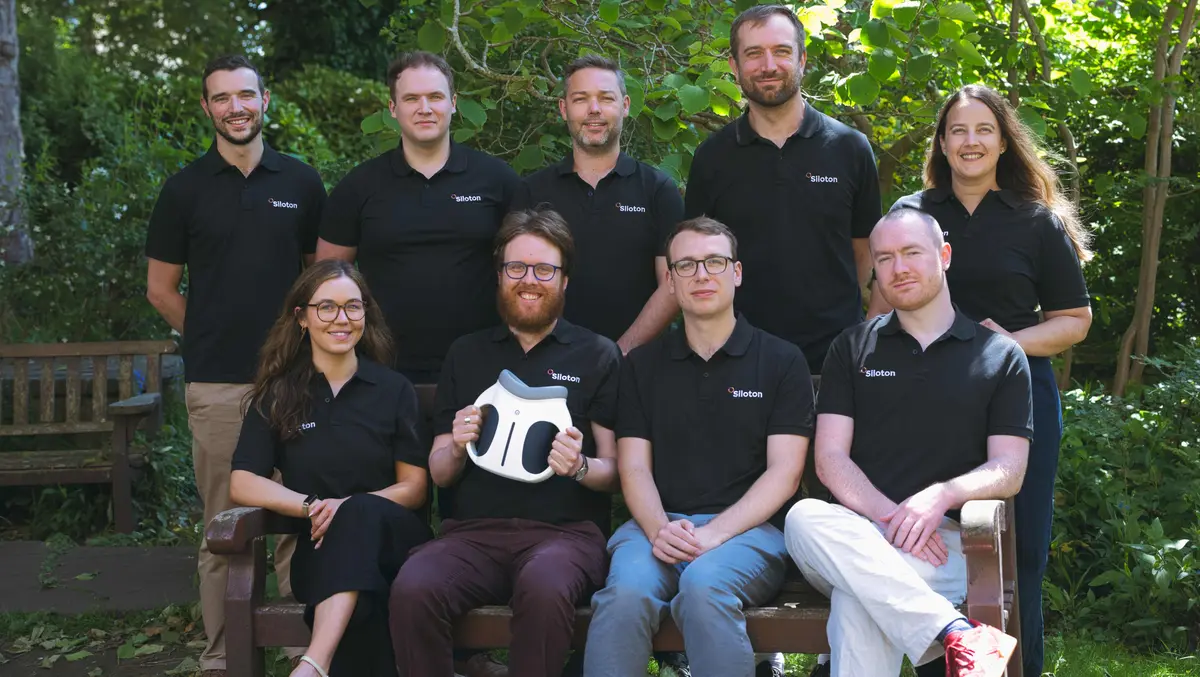

A research consortium in Australia and the UK has completed a trial of remote eye-imaging technology for use in Indigenous communities, aimed at improving access to retinal screening for Aboriginal and Torres Strait Islander people.
The trial, conducted under Project Ginan, brought together the Lions Eye Institute in Perth, CSIRO, Indigenous-led mobile optometry practice Angel Eyecare, and health technology company Siloton. It assessed Siloton's GiraffeOCT optical coherence tomography device, which captures images from inside the eye to help clinicians detect and monitor disease.
The work focused on measuring retinal thickness, a key marker in diagnosing diabetic retinopathy. The condition is the most common retinal disease among Aboriginal and Torres Strait Islander people, and diabetes-related vision loss is reported to be 14 times more common than among non-Indigenous people.
Figures cited by the group show about 16% of Indigenous adults live with diabetes. This makes early detection and regular monitoring especially difficult in rural and remote communities, where specialist eye equipment is often unavailable.
Conventional OCT systems are typically large, expensive, and based in hospitals or specialist clinics, limiting access for patients living far from urban centres.
Siloton's device is built in a binocular-style format and uses a photonic chip to reduce the hardware normally needed for OCT imaging. Researchers tested the system after transporting it from the UK to Australia, then tested it again after it had been carried long distances over rough terrain.
According to the trial findings, the device produced images that were statistically equivalent to those from standard desk-based systems in both sets of tests. The study also marked the first use of GiraffeOCT outside the UK.
Field testing
The project received nearly AUD $500,000 in funding from the Australian Government through its Critical Technologies Challenge Program. The results will inform development of CheetahOCT, a second-generation system designed specifically to measure the layers of the retina.
The next version is expected in 2027. The trial results are intended to guide efforts to adapt the technology more closely for diabetic eye disease screening in community settings.
Alasdair Price, Chief Executive Officer of Siloton, said: "Project Ginan has shown that it is possible to take advanced imaging technology out of traditional clinical settings and into the communities that need it most in Australia. Our GiraffeOCT system can be flown across the world, driven down dirt tracks, and still produce results comparable to commercial ophthalmic platforms, even though it was not originally designed with diabetic eye conditions in mind.
"That reliability in environmentally hostile conditions is exactly what could make it so helpful to First Nations communities, where distance and access have long limited early diagnosis. Eye diseases need timely detection and diagnosis, and the success of this project demonstrates how the technology could be used in a range of countries that also have large rural populations and ophthalmology services concentrated in cities.
"It is highly encouraging that the consortium is already exploring a second system with our new chip to accelerate bringing the technology into communities. Ultimately, our goal is to make high-quality eyecare accessible for every form of disease, wherever people live."
Angel Eyecare Founder Shane Brookman said the results suggested more advanced imaging could become available in settings that are currently underserved. His practice is part of the consortium as an Indigenous-led mobile provider working with remote communities.
"Together, we are taking a quantum leap to protect the gift of sight for all Australians. These encouraging results bring us closer to making advanced eye imaging accessible to First Nations communities, because no one should be left in the dark," Brookman said.
Professor Bill Morgan, Ophthalmologist and Researcher at the Lions Eye Institute, said the early work suggested a path towards more portable imaging in the field. He linked that potential to the treatment of several major causes of blindness beyond diabetic retinopathy.
"We have completed preliminary and extremely exciting work on this novel scanning system on a chip, which promises to be portable and handheld, allowing delivery of state-of-the-art imaging to people in remote communities across Australia and, indeed, the world. This should help improve the treatment of diabetic retinopathy, glaucoma, macular degeneration, and other irreversible blinding eye conditions," Morgan said.