

Social robots boost reading confidence among young school children
Fri, 28th Nov 2025
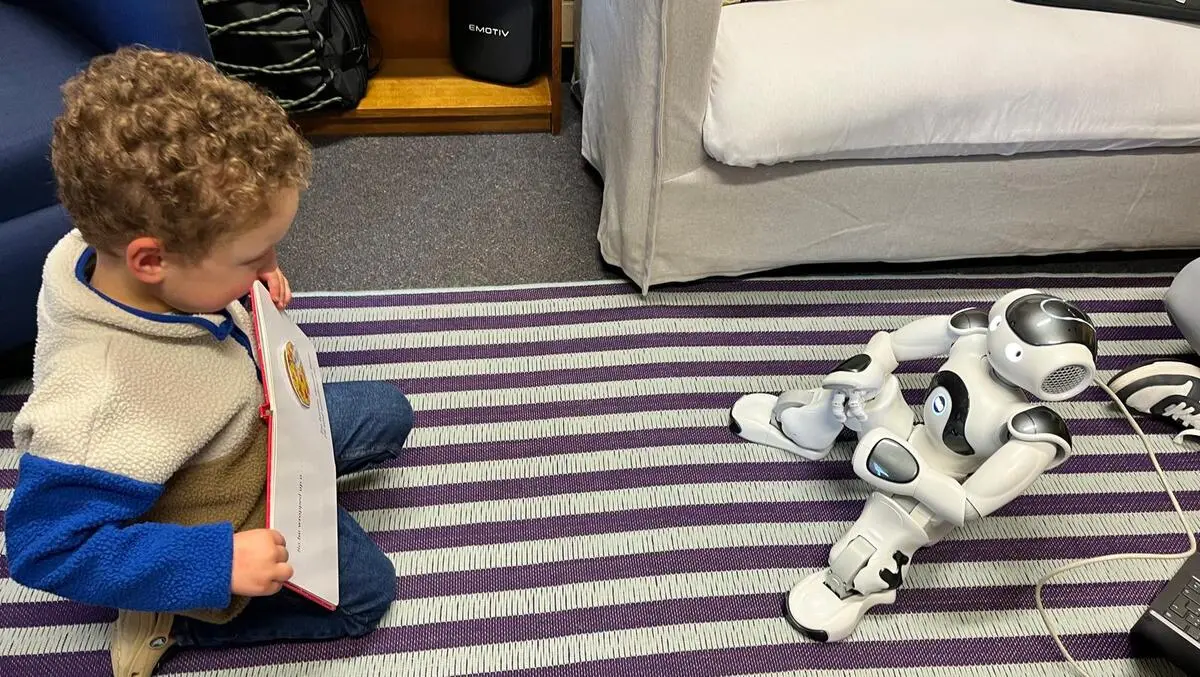
Researchers have reported early results suggesting that social robots might offer valuable support as classroom assistants, particularly for young children who struggle with reading. A study by a collaboration of Australian and Swiss academics explored how children aged 5 to 9 responded to robotic companions designed to assist with literacy and emotional support.
Study overview
The research involved 35 primary school children, including five with poor reading skills and 30 with typical reading abilities. Each child interacted with a social robot tailored to their learning and emotional needs. The children participated in activities that included reading practice and general conversation with the robots.
Emotional support
Researchers noted that both groups of children reported positive experiences from the interactions. These included increased confidence and a sense of encouragement, particularly among those who faced difficulties or anxiety linked to reading tasks.
"If these social robots are tailored to the children's individual needs and expectations, they have the best chance of benefiting young readers, particularly those with reading difficulties or anxiety," said Associate Professor Nathan Caruana, Flinders Institute for Mental Health and Wellbeing.
Design features
Children were invited to help design the ideal robot companion, resulting in suggestions focused on interactive and aesthetic elements. Key functional features identified by the children included the display of social behaviours, such as smiling and engaging in conversation, and a broad knowledge base encompassing academic topics like reading and mathematics. Aesthetic preferences included colourful, compact bodies and options for customisation.
According to the research team, these features are likely to impact the acceptance and effectiveness of robot assistants in classroom environments. The findings offer insight into how future educational technologies could be matched to specific learning needs.
Codesign emphasis
The researchers highlighted the importance of involving children in the design process. They believe that codesign ensures the technology remains safe, intuitive and engaging for young students.
Caruana said, "Codesign is imperative for guiding effective, intuitive and safe designs and deployment of robots - particularly for use with and by children."
He added, "Additional codesigned research should examine how robot form and function can maximise emotional support and give rise to optimal psychosocial conditions for children to engage in reading and other learning activities."
Broader application
The Human, Artificial & Virtual Interactive Cognition Lab at Flinders University, which led this study, is currently involved in additional projects examining how social robots are perceived and used in various sectors, including education and manufacturing. The aim is to build a more detailed understanding of what makes robotic companions successful in supporting both learning and workplace tasks.
The research was produced in partnership with scientists from the Social Brain Sciences Lab at ETH Zurich and the School of Psychological Sciences at Macquarie University. The article outlining these findings appears in Scientific Reports.